TIER 1 GROUP

2026 Capabilities Brief

20 years. One mission. Zero interruptions.

Download PDF Version →
Scroll ↓
The T1G Difference

One Location. Every Discipline. Zero Restrictions.

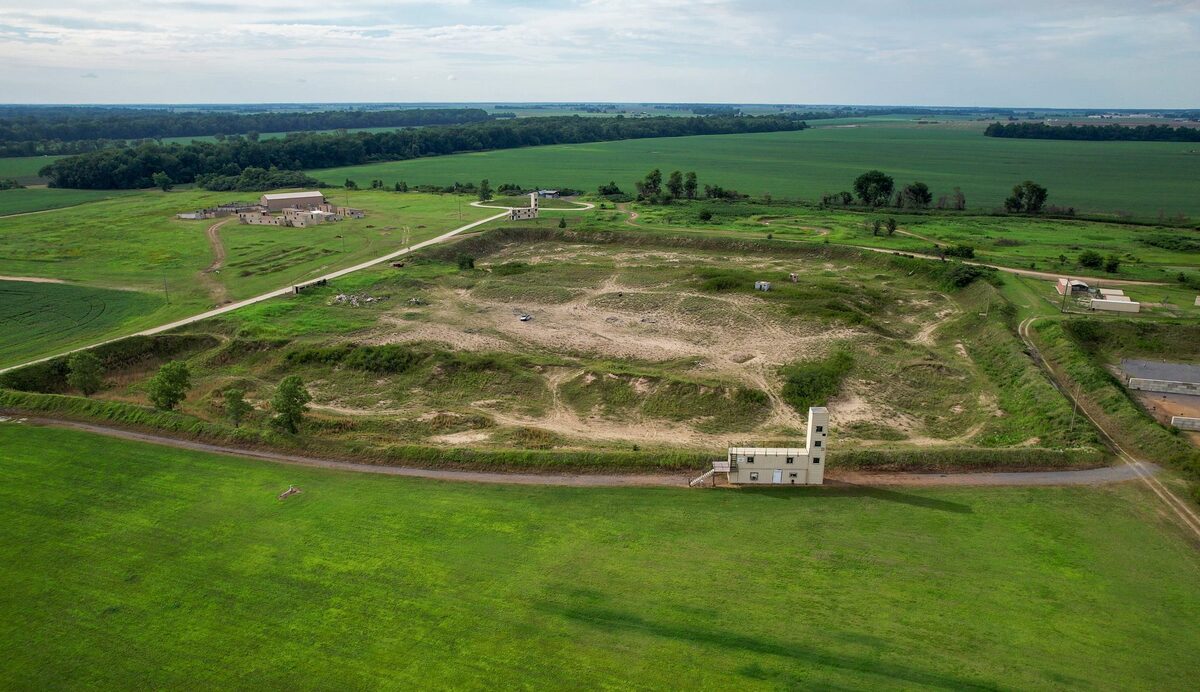
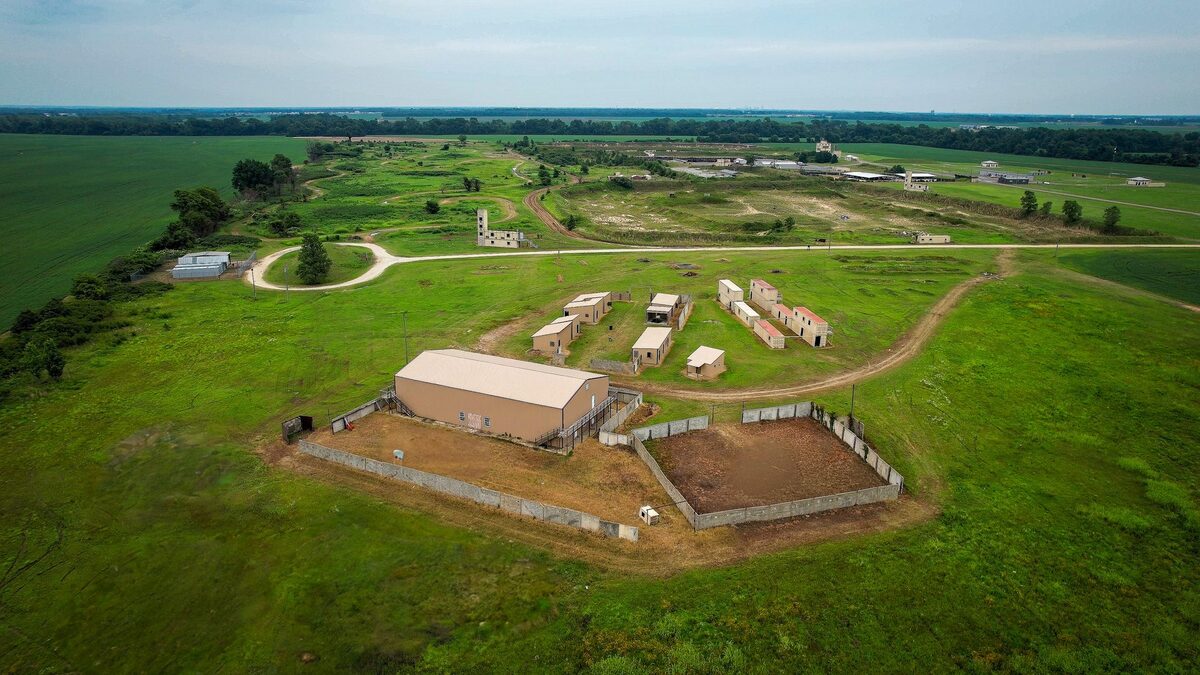
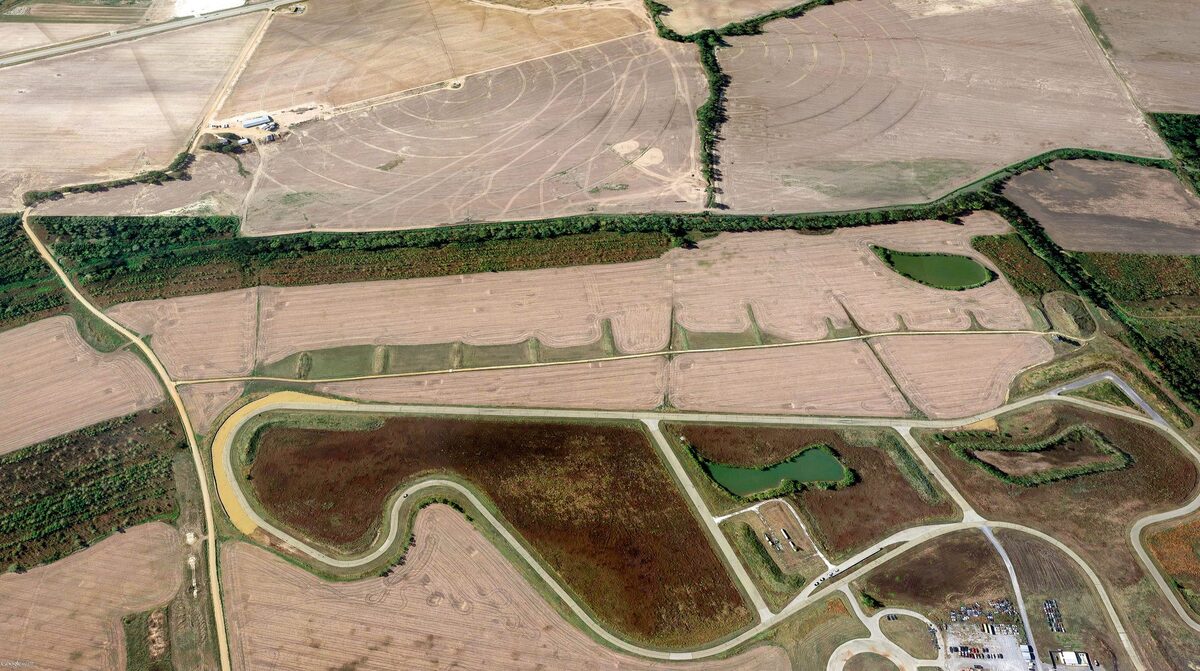
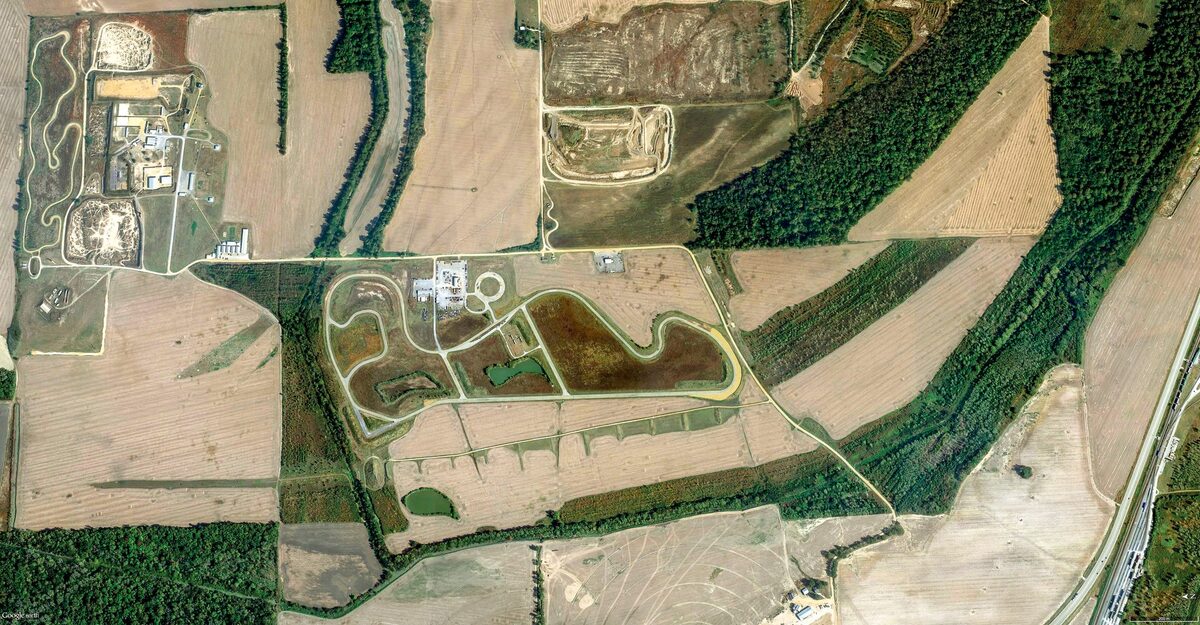
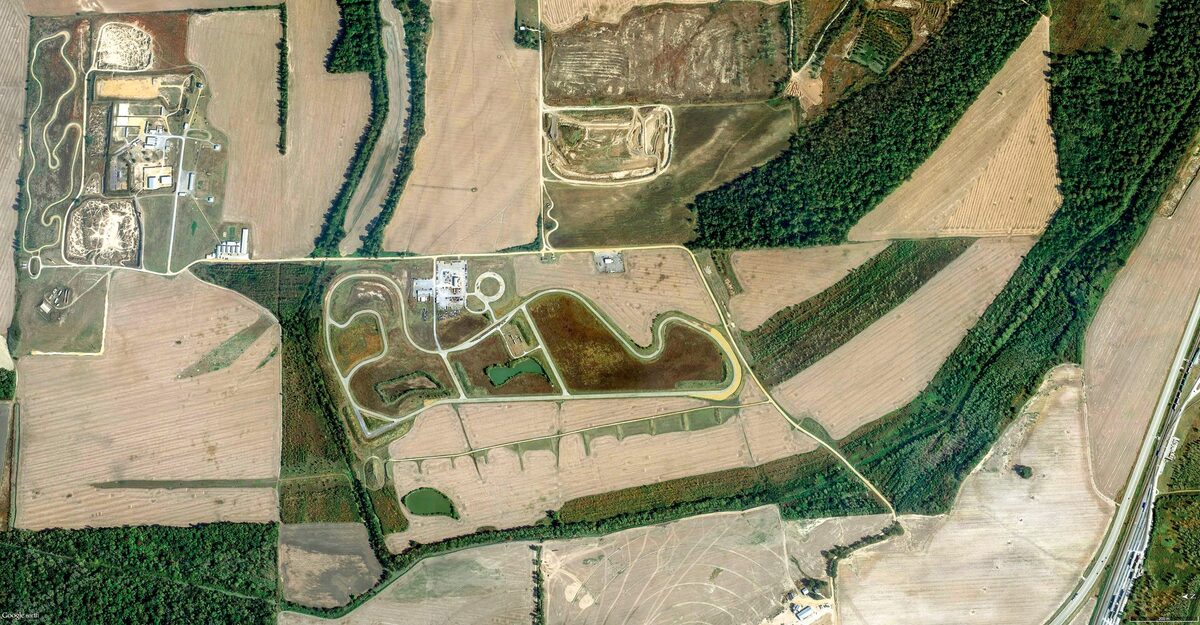
Tier 1 Group is wholly owned by Cerberus Capital Management, a significant investor in the defense industry with over $65 billion under management. T1G operates a 777-acre tactical training complex in Crawfordsville, Arkansas — purpose-built to support multi-discipline training for Special Operations Forces, conventional military, special purpose forces, and law enforcement tactical units.

T1G delivers turnkey training solutions, facility rental, and customized CONUS/OCONUS packages across five core disciplines: weapons and tactics, operational medicine, breaching, tactical driving, and UAS/C-UAS. Onsite lodging and dining eliminate per diem overhead, compress timelines, and keep your team focused on training — not logistics. Operators receive 33% more actual training time per day than at a government installation.

T1G's training enablers handle all backside support — target reset, vehicle staging, breach point reconstruction, range transitions — so students train from first light until they're done. No administrative downtime. No student-run logistics. Zero noise or fire restrictions, deconflicted at every level.

When you're ready to train, reach out. We'll build it around your mission, your timeline, and your budget.

Tier 1 Group
Cage Code4MMC6
UEILW5BG8KKU8B5
ClearanceSecret Facility · NISP · DCSA Authorized
Accreditation CAPCENAEMTBCCTPCWTA
The Operational Case

8 Reasons to Train at T1G

Read the full breakdown →

Why units come to Crawfordsville instead of staying on a government installation.

1

One Location. Every Discipline.

Weapons and tactics, operational medicine, breaching, tactical driving, and UAS/C-UAS — all on 777 acres. Complete your training in one trip. No venue changes, no convoy movements, no scheduling conflicts between facilities.

2

33% More Training Time

T1G operators receive approximately 33% more actual training time per day than at a government installation, based on a 12-hour training day. Onsite lodging, dining, armory, and classrooms are all within walking distance. Your team draws weapons and moves to ranges in five minutes.

3

Dedicated Training Enablers

Students don't set up, break down, or clean ranges. If a vehicle breaks down, a replacement is on station within minutes. Breach points are reconstructed while your team trains on the next structure. Enablers run parallel lanes so training never stops.

4

Your Entire Team Trains Together

Your OIC, medic, RTO, and enablers all shoot and maneuver with their element. Mobility, HUMINT, and SIGINT specialists train in relevant scenarios alongside the assault force — building the teamwork that matters downrange.

5

Zero Restrictions

No noise curfews. No fire restrictions. No Range Control bottlenecks. Federal, state, and local deconfliction allows 24/7 training evolutions — including night live-fire, NVG integration, and explosive breaching.

6

Full-Time Instructor Cadre

Combat-experienced instructors with current operational knowledge. T1G's fiscal stability and reputation attract and retain top-tier SMEs who are building programs of instruction — not passing through between contracts.

7

Budget Compression

Onsite lodging and meals translate to significant savings over per diem. Compressed training timelines and eliminated logistics overhead mean more training delivered per dollar. One trip, one PO, one set of travel orders.

8

CONUS and OCONUS

Train at T1G Memphis or request a Mobile Training Team. T1G has deployed hundreds of MTTs to five continents and maintains international partner facility agreements to support your training requirements wherever the mission takes you.

A Day on the Range

33% More Training Time Per Day

See the full comparison →

Training at T1G compresses your timeline and stretches your budget. Before arrival, every event is orchestrated to meet your objectives. T1G validates goals throughout execution and adjusts in real time.

T1G's logistics and enabler staff organize ranges, vehicles, targetry, and resources to eliminate downtime. Classroom and range proximity to lodging, dining, and the armory means students focus on training — never waiting for transport. Our Project Managers create additional value by building custom scenarios and Full Mission Profiles. Training enablers maintain fluid tempo through parallel facility reset and backside support.

Time Government Installation T1G
Day PriorConstruct targets, prep vehicles, identify road guards and support personnelLogistics handled by T1G Support Staff and Enablers
0500Draw vehicles from motor pool
0530Draw ammo from the ASP
0600Reveille at our onsite lodging facility
0630Draw weapons from the ArmoryBreakfast at the onsite dining facility
0700Draw weapons, ammo, and move to ranges (5-minute walk)
0730Move troops, weapons, ammo, targetry to the range and set up
0800TRAIN
0830Wait for Range Control to deem range hotTRAIN
0900–1130TRAINTRAIN
1200LunchHot Lunch at T1G onsite dining facility
1230–1600TRAINTRAIN
1630Break down and clean range
1700Range Control conducts inspection, deems range cold
1730Dinner at onsite dining facility
1800–TBDMove troops and remaining ammo / weapons back, turn in all gear, prep for next dayTurn in gear and commence rest cycle, or… continue training (no night training restrictions)

This comparison assumes no interruptions from cease-fire or check-fire events caused by third parties on the government installation — disruptions that are common and outside your unit's control. Home station preparation time (range requests, vehicle dispatch, ammo draw coordination) is not included, but typically adds hours to each end of the training day.

T1G Memphis

777 Acres. Every Asset Within Walking Distance.

Interactive site map →

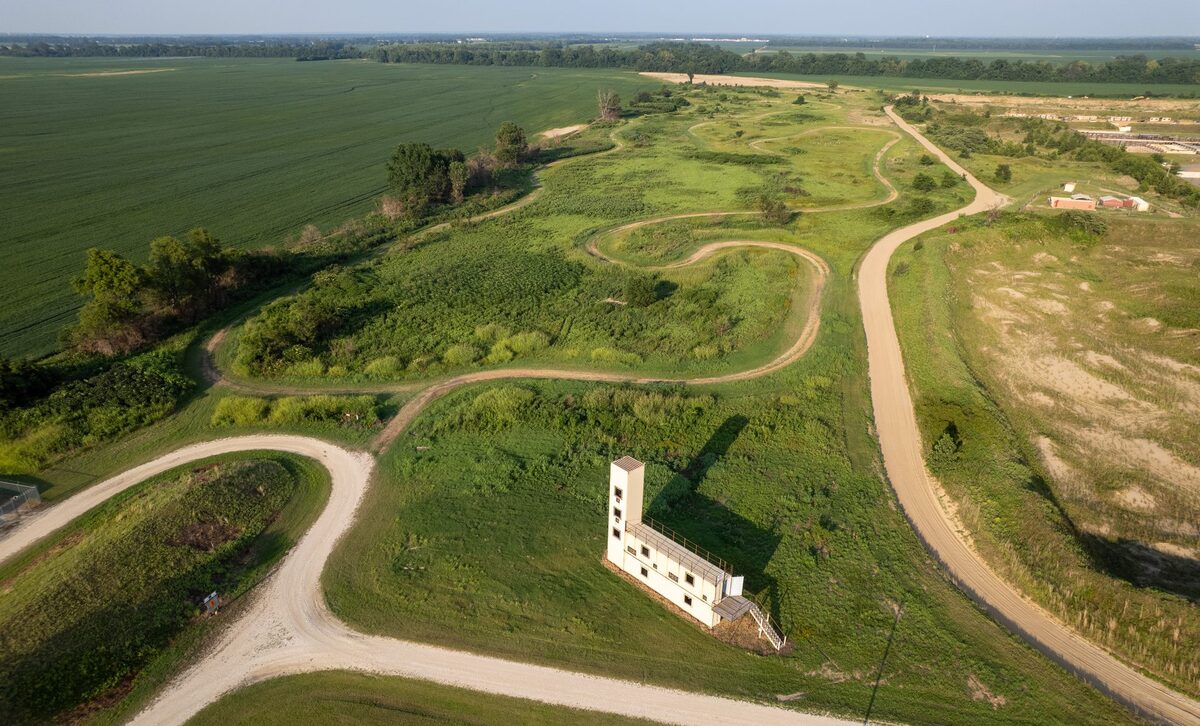
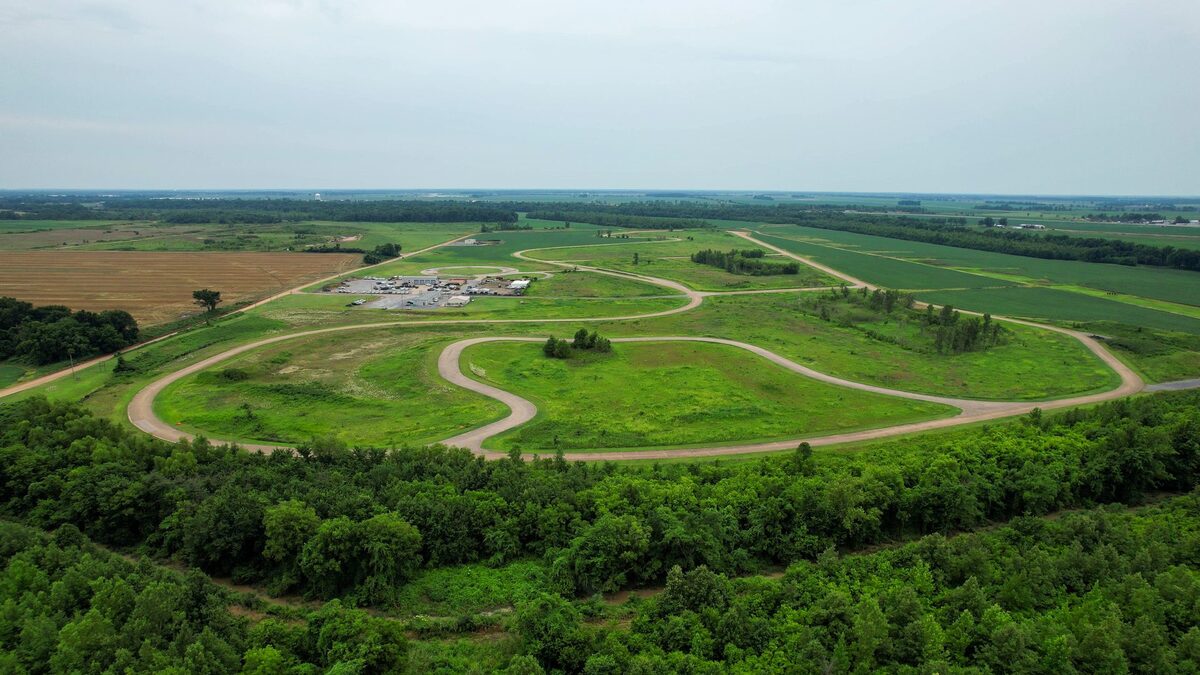
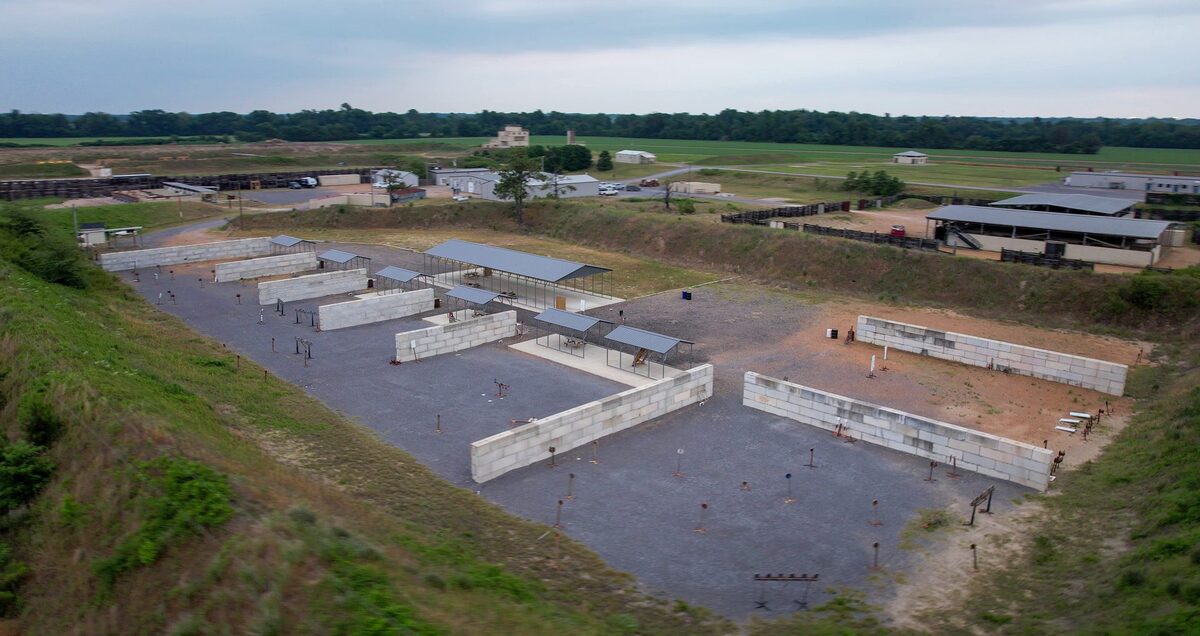
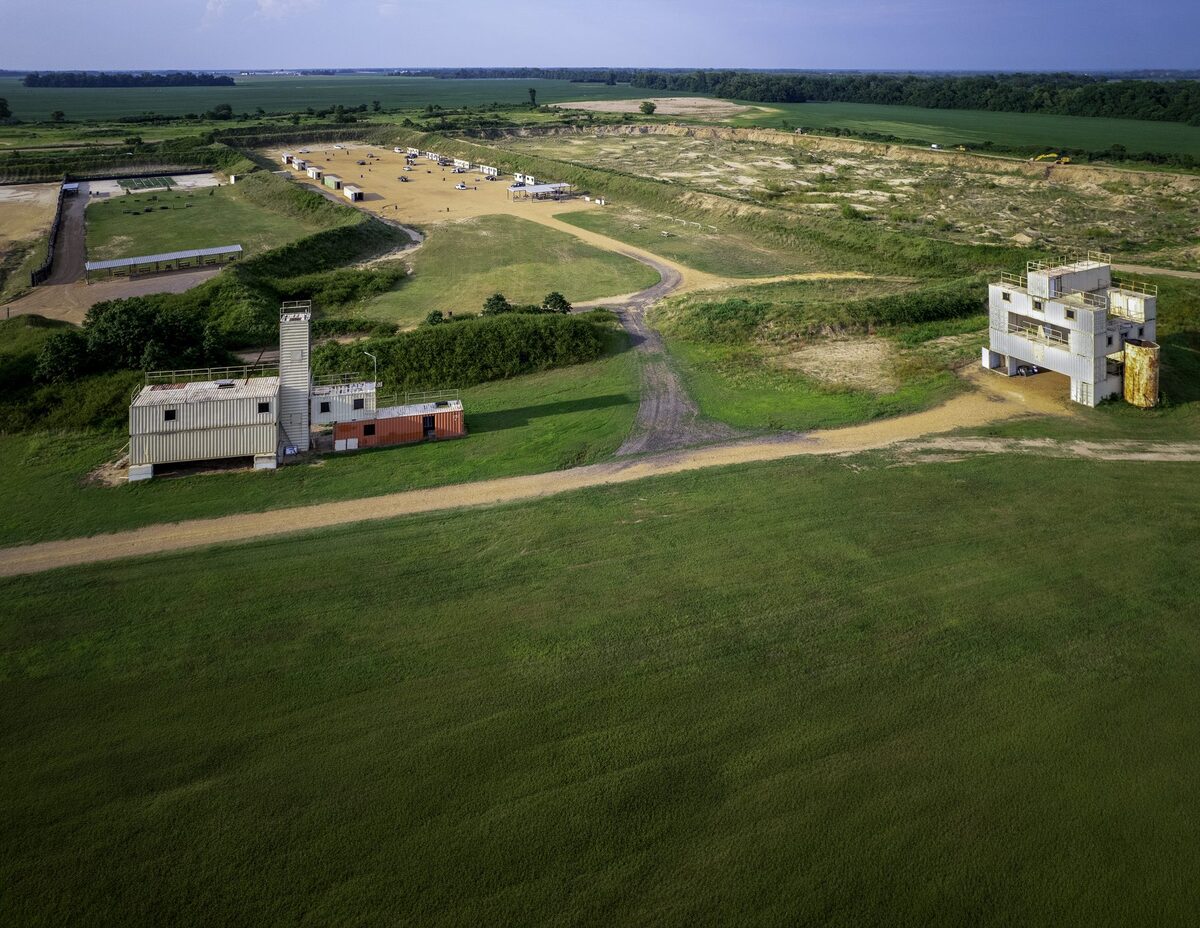
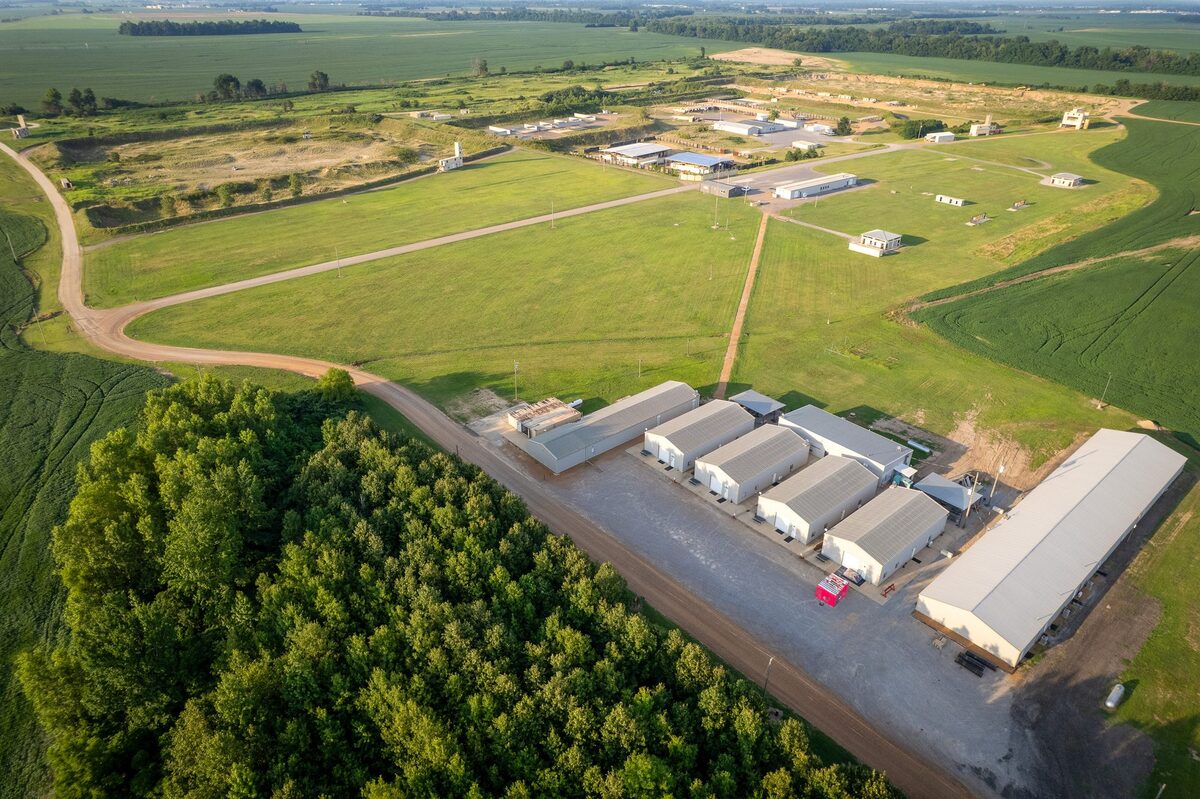
T1G's 777-acre complex is built around a single principle: every training asset within walking distance of the next.

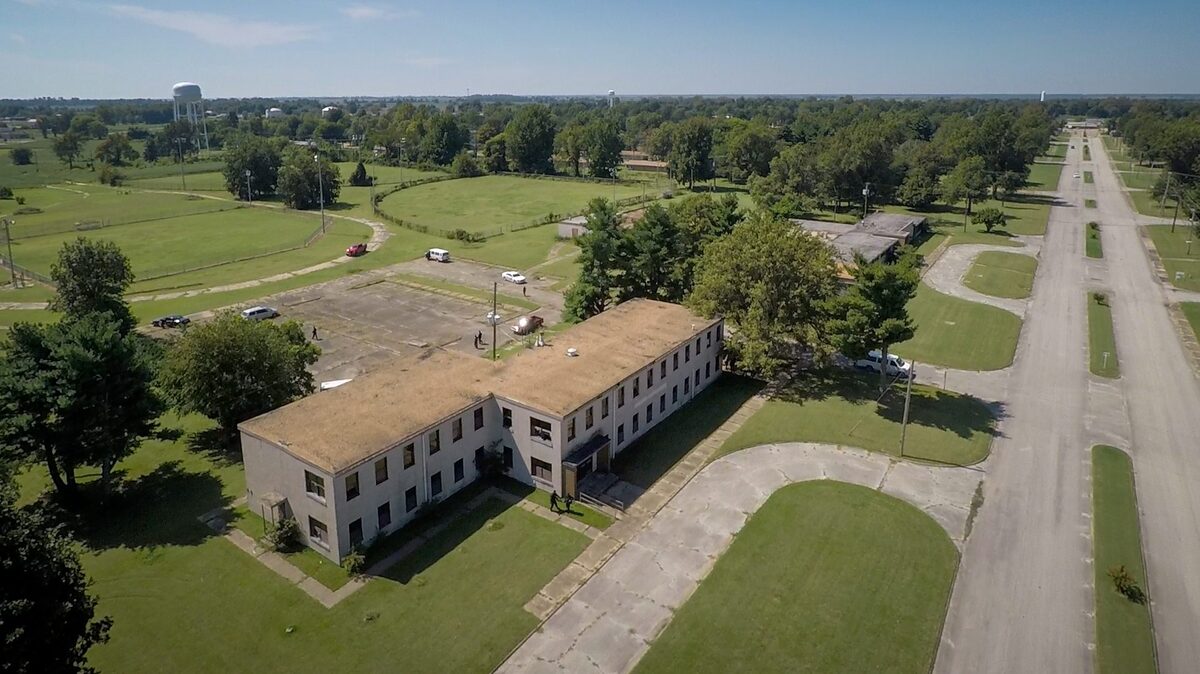
Flat ranges and the 8-lane Rogers Range build marksmanship fundamentals. The SIMS CQB Training Center and two ballistic shoot houses validate those skills under stress. The 30-acre MOUT complex, adjacent LZ/DZ, live-fire Wadi, and Urban Combat Compound provide the terrain for full-spectrum scenario exercises — ground, air, and mounted. Driving tracks, breaching facilities, and the operational medicine complex sit inside the same footprint. No convoy movements between training areas. No scheduling conflicts between disciplines. Teams transition from one environment to the next in minutes, not hours — and that compression is why units consistently realize 33% more training time here than on a government installation.

Full Mission Profile & Pre-Deployment Training

Built Around Your Mission

Multi-discipline integration →

Team through Company-Sized Elements.

T1G builds your custom training packages starting with your unit's mission requirements, skill level, and timeline — not a fixed syllabus. Your project manager works directly with your unit to define the objectives, then coordinates with T1G's operations team and cadre to build the program of instruction around those specifics. Ability groups prevent training to the lowest common denominator. The schedule adapts in real time: skills progressing faster than planned, the timeline shifts.

Backside support handles range setup, target reset, vehicle staging, and facility transitions — your unit's only job is training. Scenario exercises build skills with instructor coaching during execution. Full Mission Profiles remove the safety net — no instruction during execution, feedback only after completion, multiple elements integrated across objectives.

Zero noise or fire restrictions allow 24/7 training evolutions.

Direct Action & CQB

  • Advanced Urban Combat / SFAUC
  • Direct Action
  • Precision / Limited Scale Raids
  • Cordon & Search
  • Sniper Operations

Reconnaissance & Site Exploitation

  • Intelligence, Surveillance & Reconnaissance
  • Close Target Reconnaissance
  • Sensitive Site Exploitation
  • Tracking, Tagging & Locating

Mobility & Mounted Operations

  • Mobile Force Protection
  • Convoy Live-Fire / Military Convoy Ops
  • Vehicle Interdiction & Commandeering
  • Protective Motorcade
  • Advanced Performance / Off-Road

Protection & Response

  • Personal Security Detail
  • Active Shooter Response
  • Non-Combatant Evacuation Operations
  • Combat Search and Rescue
  • Mass Casualty Exercises

Multi-Domain Integration

  • UAS/C-UAS Integration
  • JTAC Integration & Currency
  • Explosive Ordnance Disposal / IED
  • K9 Training
  • MFF HALO/HAHO/DB/SL
  • Dry Close Air Support
Five Disciplines. One Property.

Every Asset Co-Located. Every Discipline Live-Fire Capable.

Multiple surveyed LZs and a certified Drop Zone sit adjacent to driving tracks, ranges, the MOUT complex, and the Urban Combat Compound with dual breachable shoot houses.

The Urban Combat Compound, 10-acre Wadi, and 2.6-mile paved track are all live-fire capable. Both driving tracks — paved and unimproved roads — are WPS certified. Class G airspace supports concurrent UAS operations. No venue is more than minutes from any other — scenarios flow across facilities without transport delays. Each discipline detailed in the sections that follow.

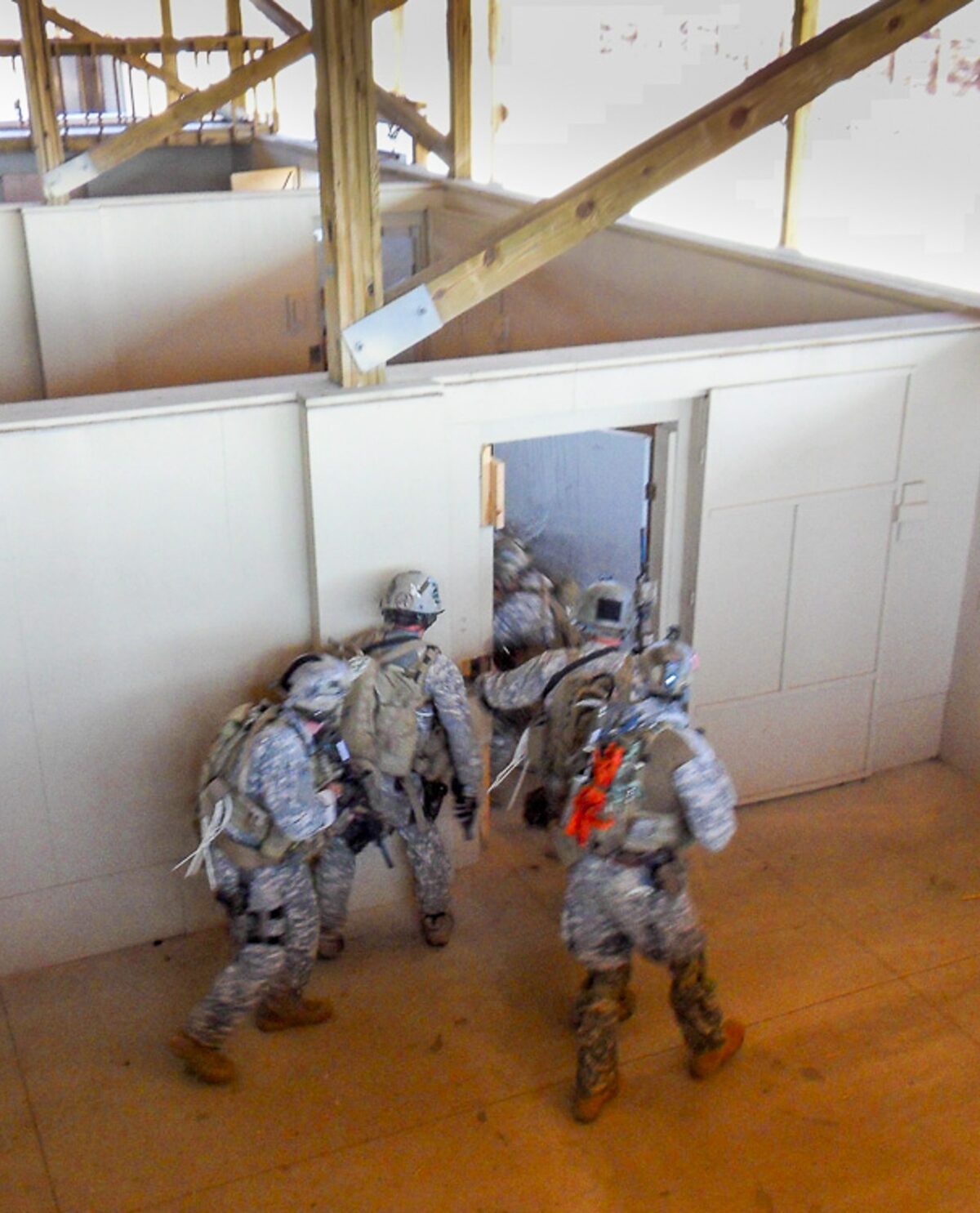
T1G aerial panorama Driving track aerial Shoot house operators H-60 CASEVAC interior
T1G Discipline

Weapons & Tactics

View all Weapons & Tactics courses →

Mindset · Marksmanship · Manipulation

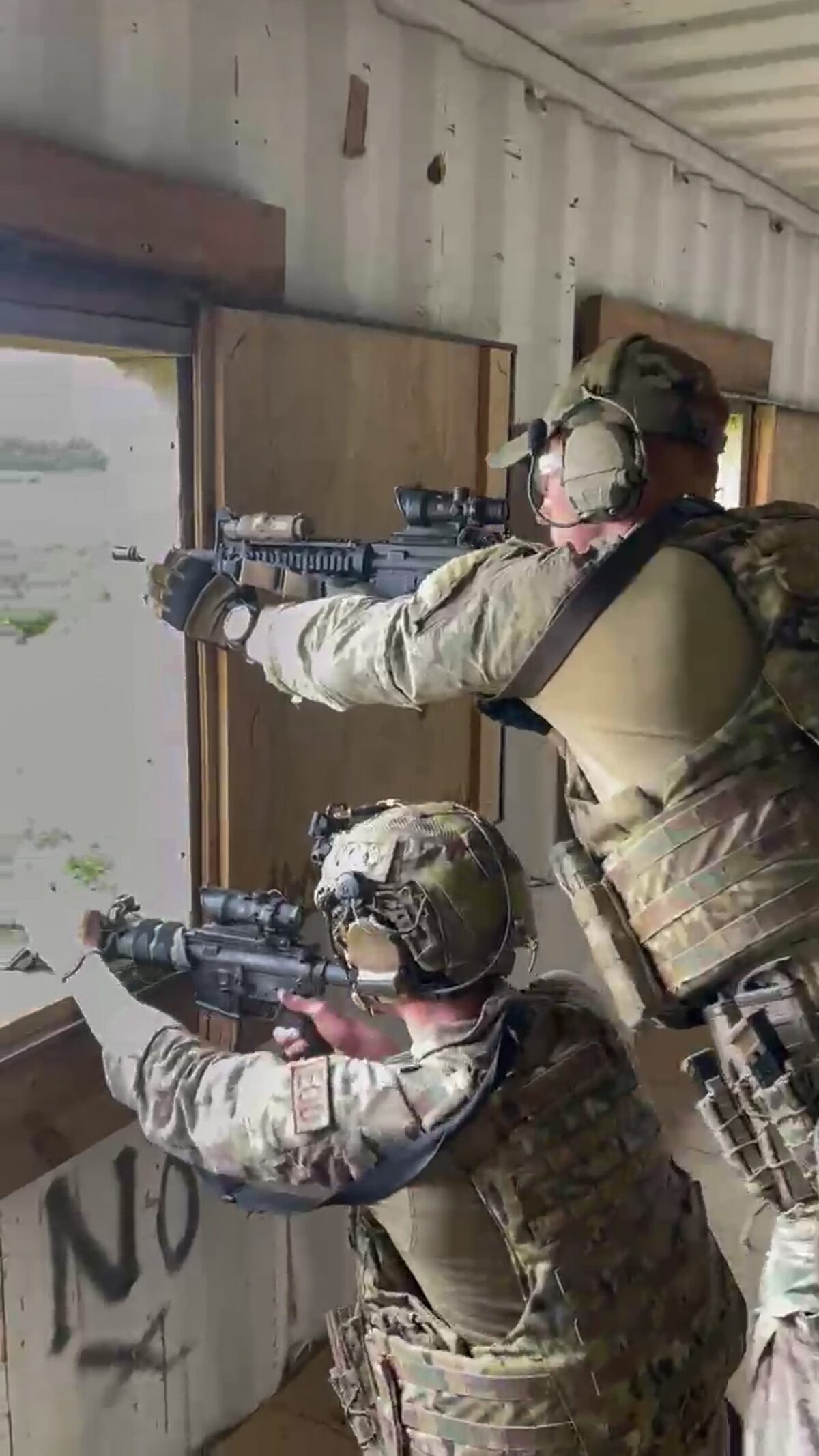
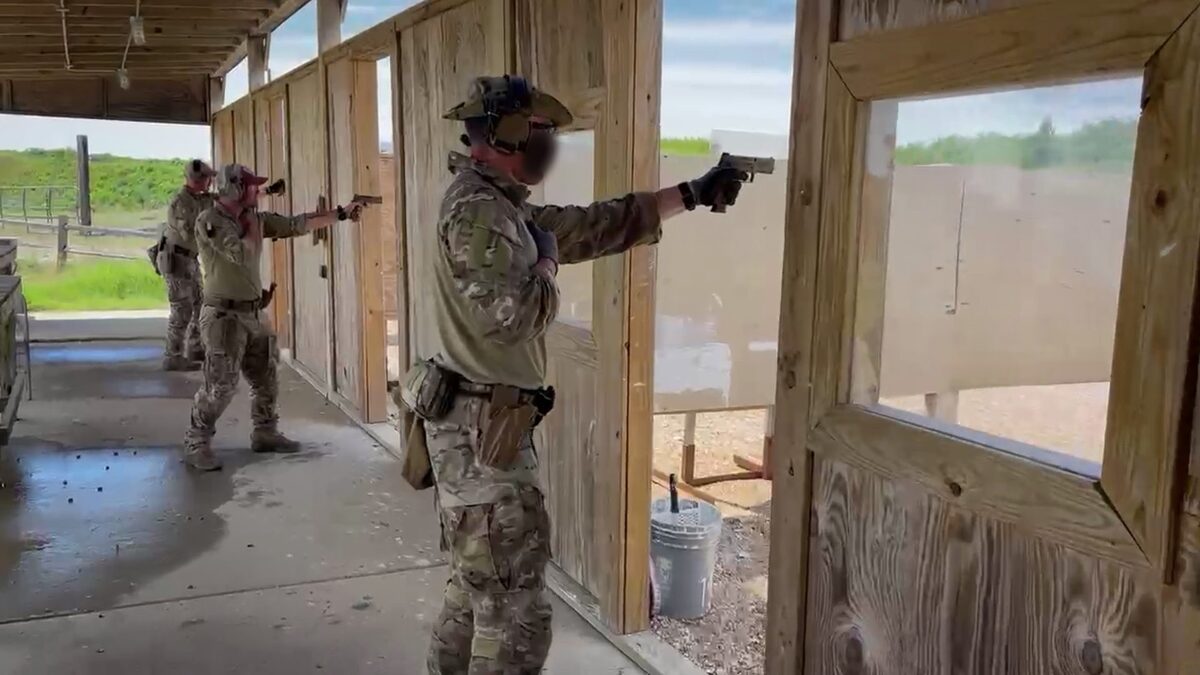
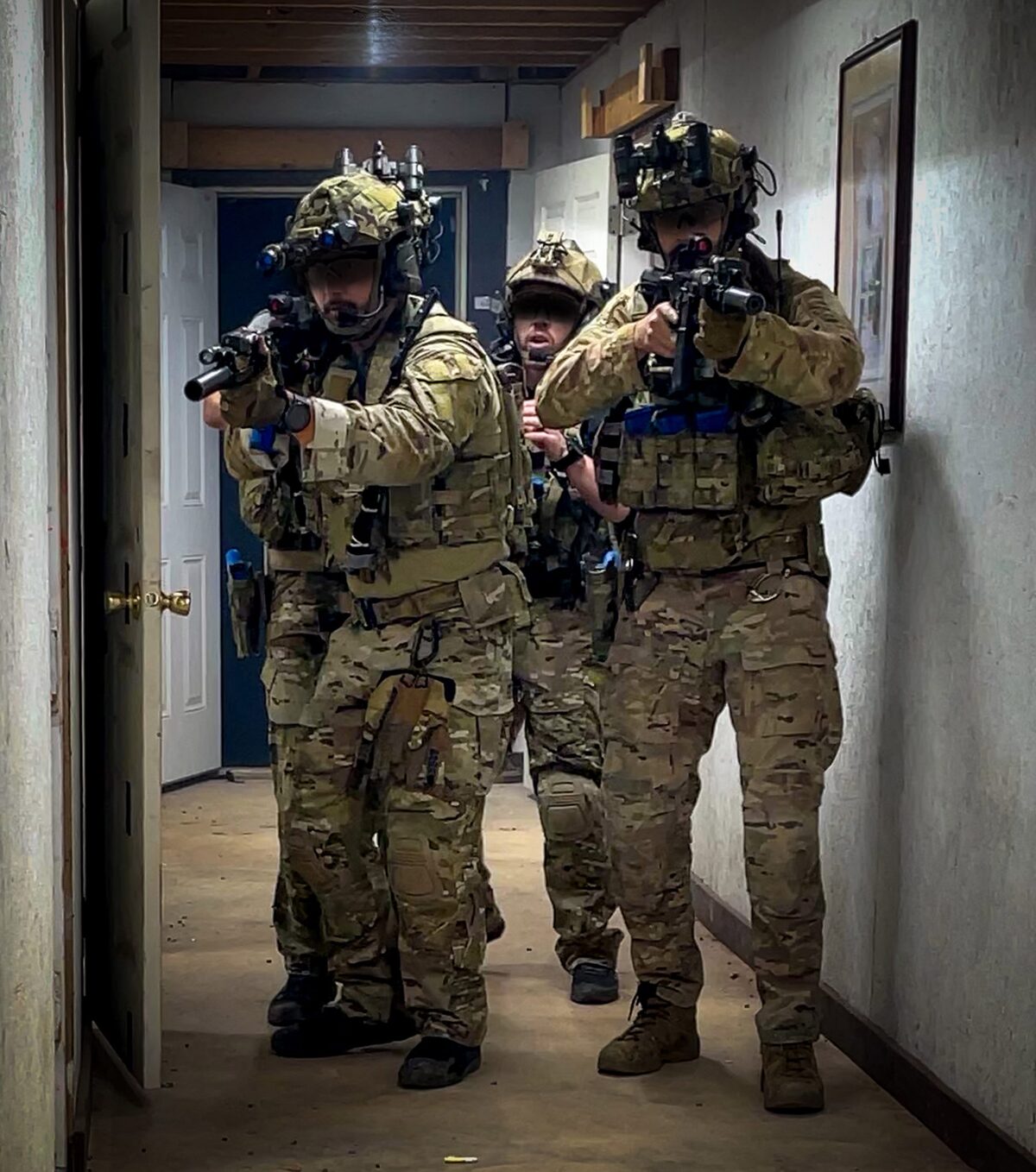
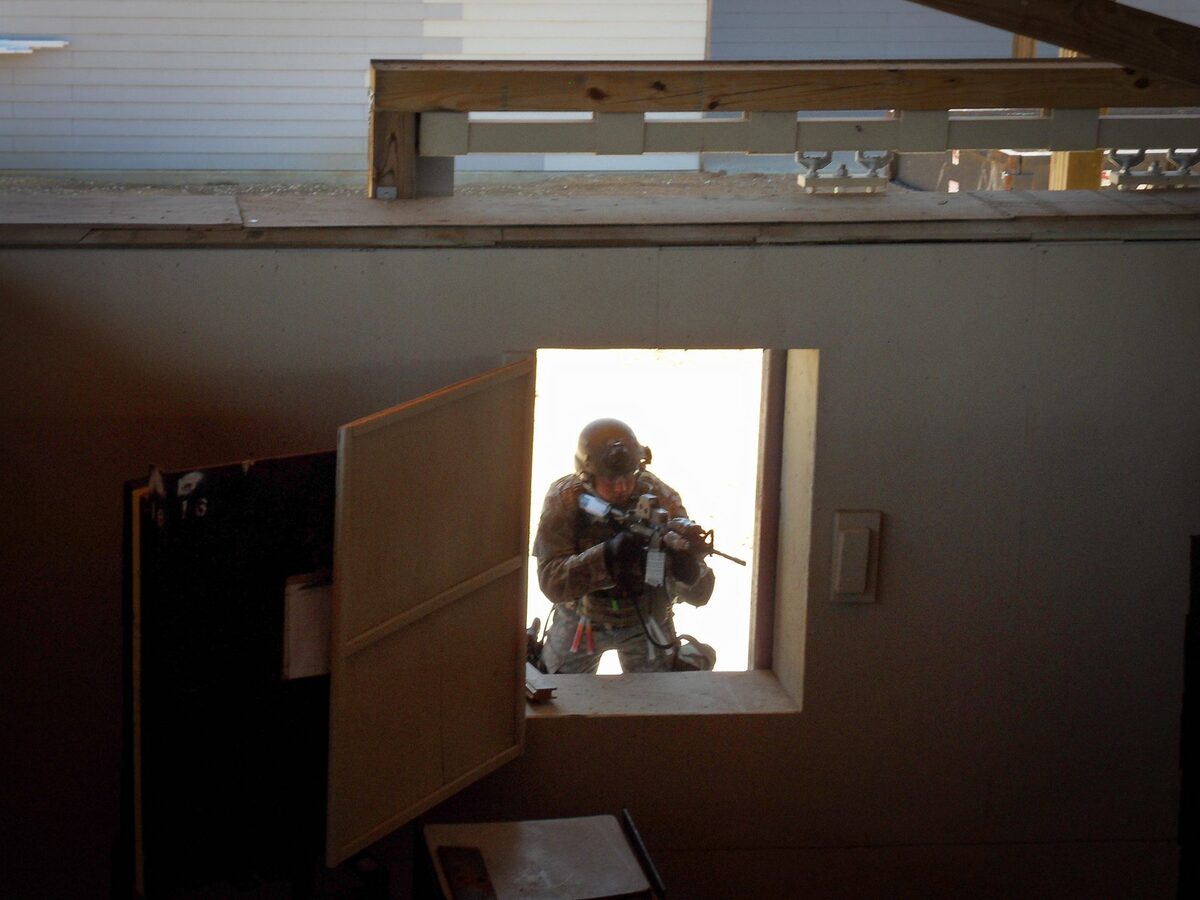
T1G builds every weapons and tactics package around your unit's current proficiency and mission requirements. Teams building foundational CQB proficiency spend more time on marksmanship and room clearing fundamentals. Teams already solid on basics accelerate into integrated operations — breaching, sniper-initiated assaults, ground mobility, and full mission profiles.

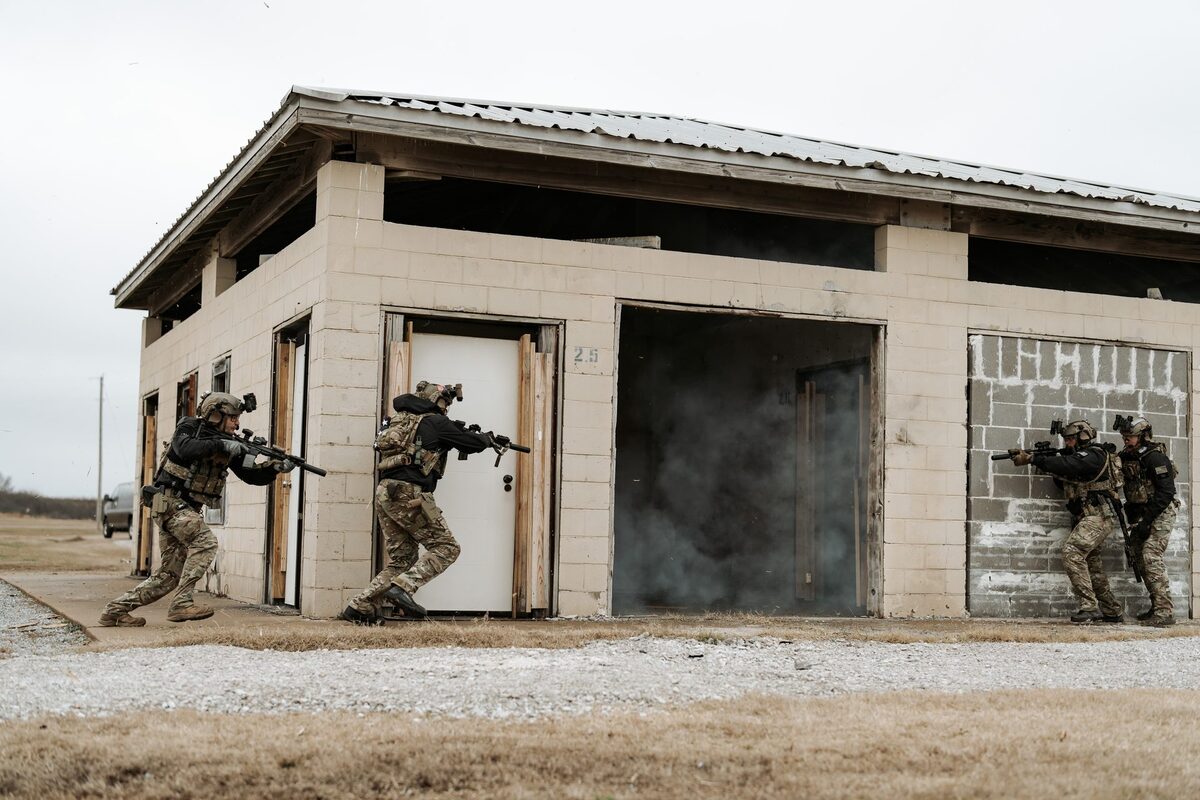
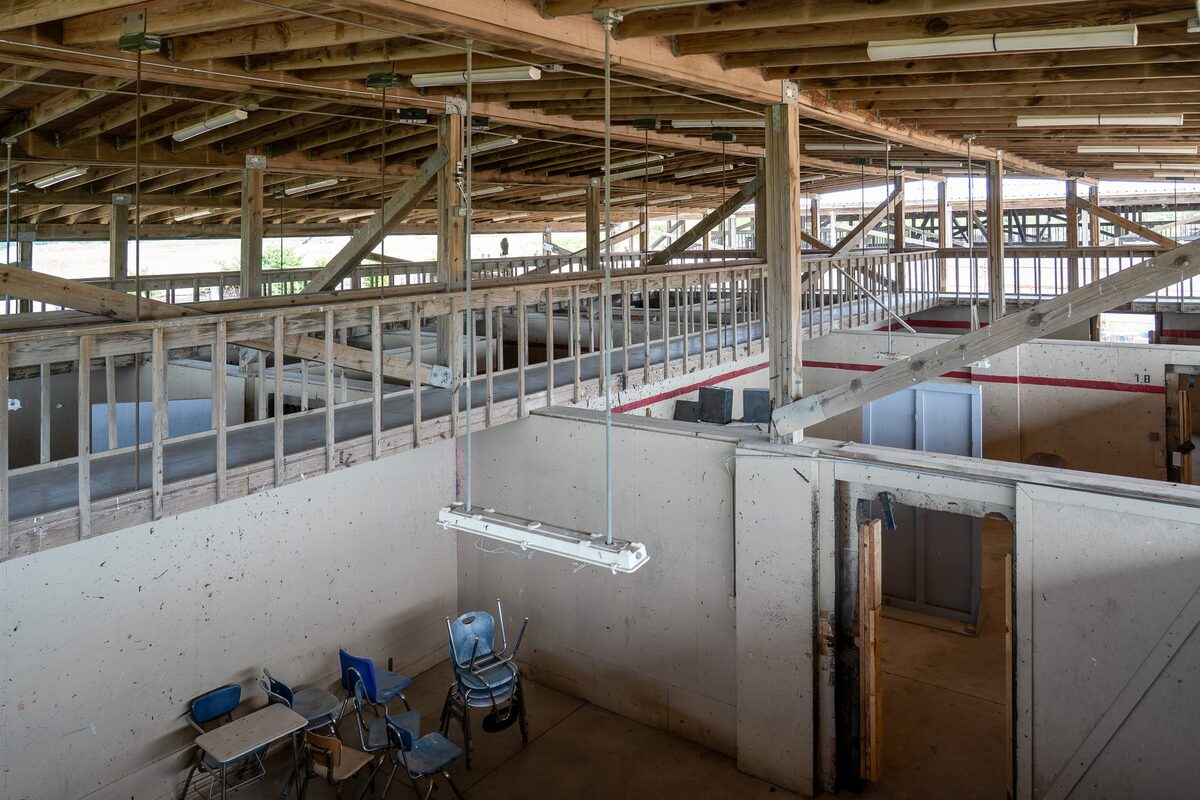
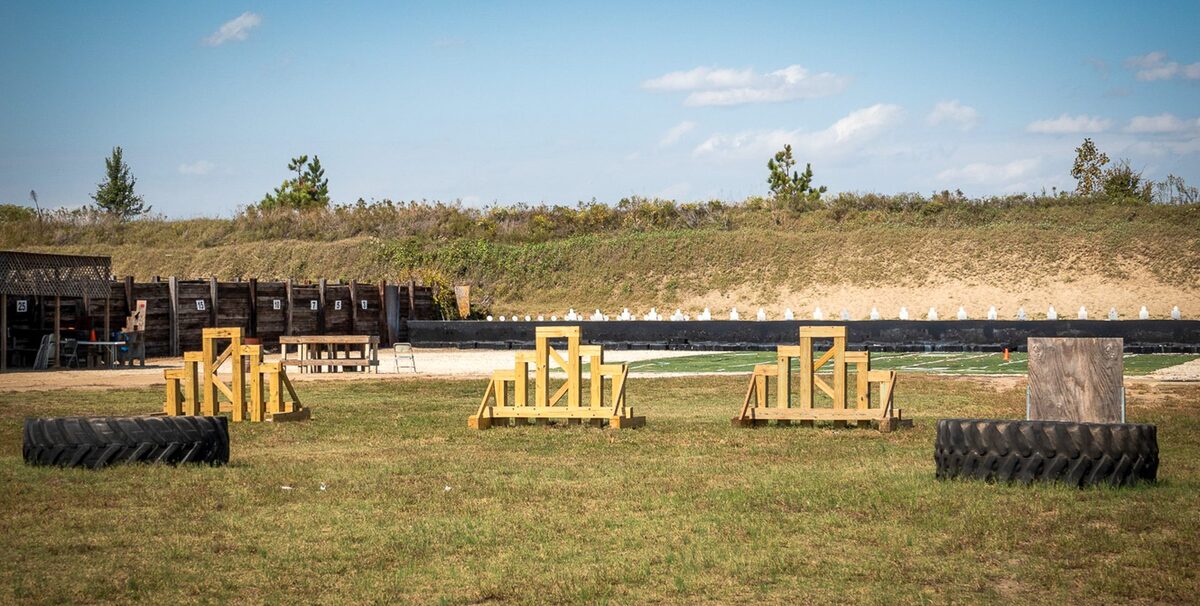
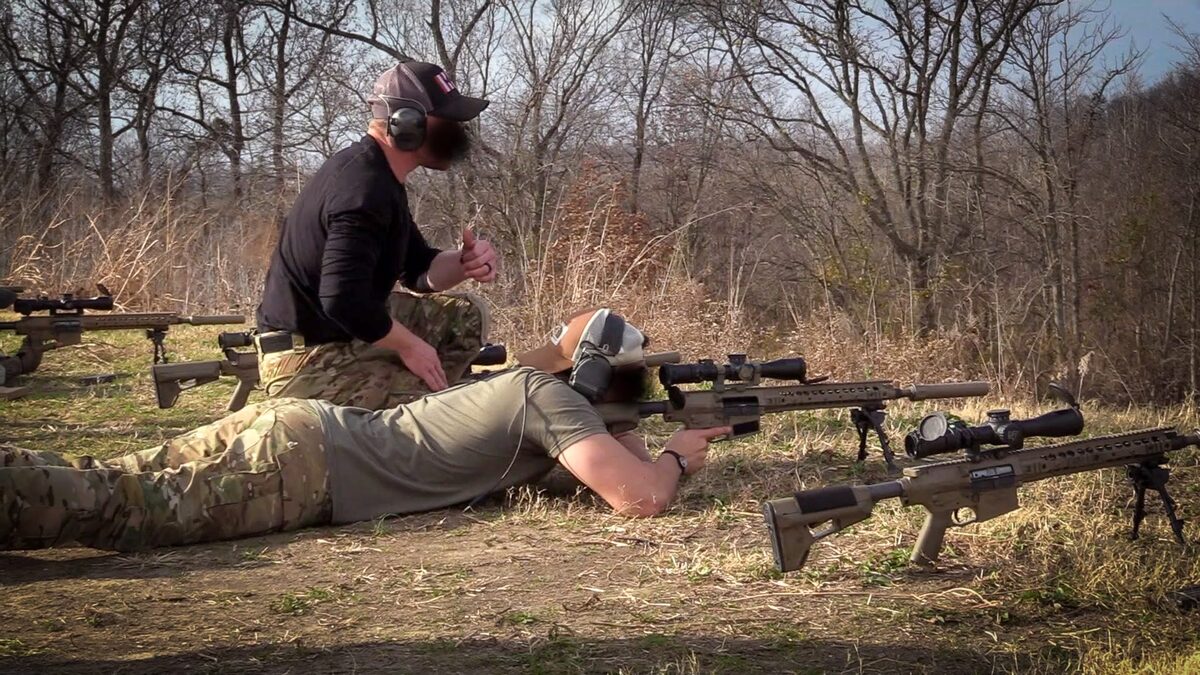
Flat ranges from 20 to 1,000 meters. Two ballistic live-fire shoot houses running simultaneously. A 5,000 sq ft reconfigurable SIMS House and a 9,375 sq ft two-story SIMS CQB Training Center with 24 rooms, 40 doors, and six stairwell configurations. A 30-acre MOUT complex. Urban sniper hides overlooking the live-fire Wadi.

24/7 evolutions. Zero restrictions. 5–20-day custom packages for Team through Company-sized elements.

Reactive shooting

Course Offerings — From Flat Range to Full Mission Profile

CQB & Urban Operations
Close Quarters Combat5–20 days · SOF and special purpose forces

Marksmanship validation, room clearing procedures, team movement, live-fire shoot house exercises, and SESAMS force-on-force. Progressive training from flat range through SIMS House to live-fire shoot houses. Day and night operations with NVG integration.

Advanced Urban Combat Marksmanship & Tactics5–20 days · Proficient CQB teams

For teams with CQB proficiency integrating breaching, sniper-initiated assaults, ground mobility, and UAS overwatch. Culminates in full-spectrum scenarios across the MOUT complex, Wadi, and Urban Combat Compound.

Marksmanship & Precision
Tactical-Combat Marksmanship5 days · All tactical units

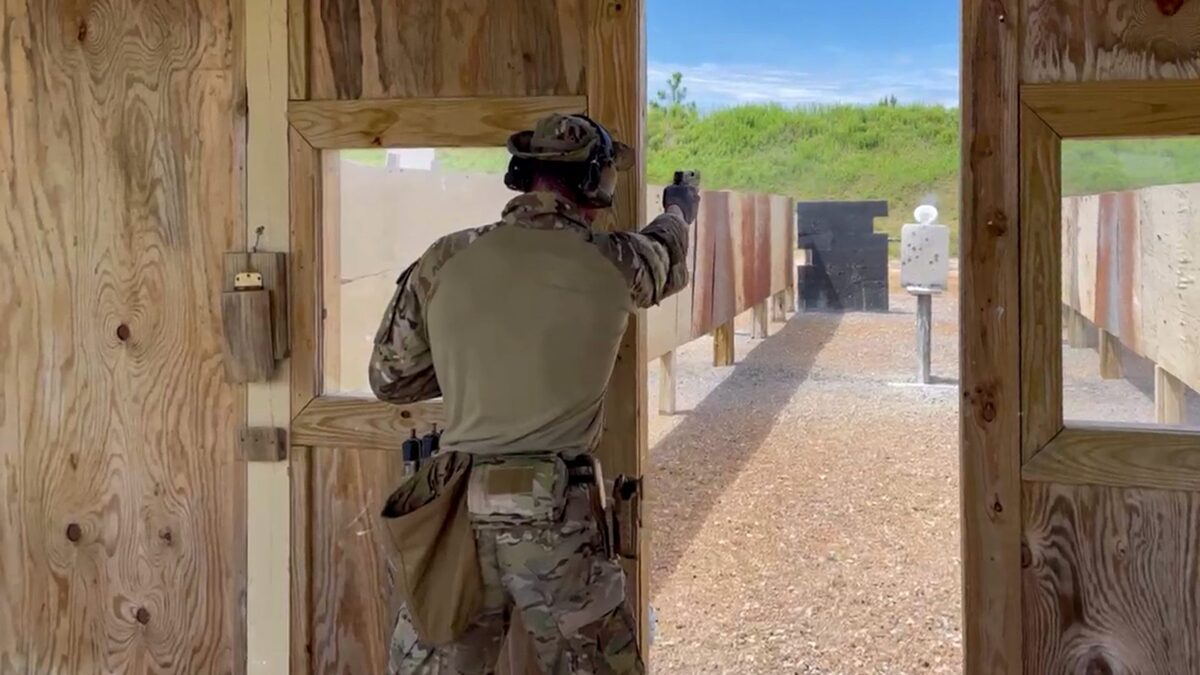
Carbine and pistol under combat conditions. Speed and accuracy development through reactive steel targetry. NVG/PEQ night firing. Qualification-standard sustainment.

Advanced Marksmanship5 days · Experienced shooters

Intensive reactive pistol and carbine. CQB marksmanship refinement on advanced pneumatic and computerized target systems. Low-light and night operations.

Rogers Range5 days · All levels (2-day add-on module available)

8-lane computer-controlled reactive AR550 steel at 7–20 yards. Nine courses of fire with sub-second target exposures. Develops rapid target acquisition, discrimination, and follow-through. The foundation for everything that follows.

Long-Range Precision Marksmanship5 days · Sniper and DDM teams

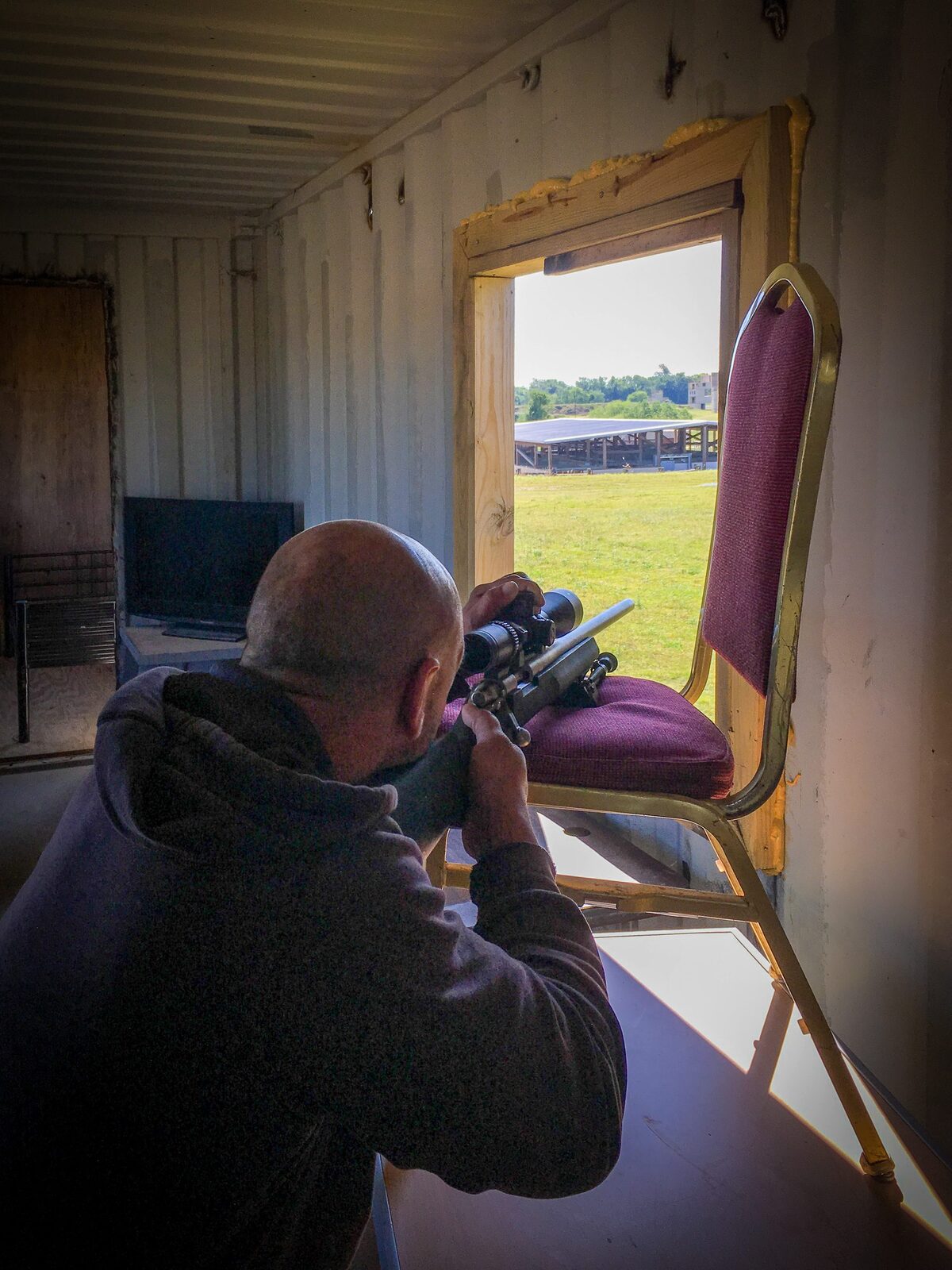
Match-grade equipment required. Ballistic data collection and confirmation to 1,000m. Loophole shooting, urban hide-site operations, sniper-initiated assaults.

Protection & Special Operations
Force Protection3–5 days · Deploying personnel

Combatives, urban self-protection, close-quarter combat fundamentals. Scenario-based culmination.

SOF Protection4+ days · SOF personnel

Personal force protection integrated with concealed carry, driving, and combatives. Full scenario culmination.

Protective Security Detail7+ days · PSD teams

Principal protection operations, motorcade procedures, and high-stress force-on-force scenarios.

High-Risk Concealed Carry5 days · Concealed carry operators

Low-profile concealed carry integrated with combatives and driving. Includes escapology module.

High-Risk Traveler Level I5 days · Personnel in non-permissive environments

Threat awareness, evasion, and self-protection for personnel operating without dedicated security details.

High-Risk Traveler Level II10+ days · HRT-I graduates

Advanced vehicle interdiction, commandeering, and surveillance detection.

Reconnaissance, Surveillance & Instructor Development
Special Reconnaissance — R&S (SR-R&S)10+ days · SOF recon elements

Infiltration, hide-site operations, surveillance, collection and reporting. Culminates in a 48-hour continuous scenario.

Technical Urban & Rural Surveillance (TURS)5 days · Surveillance teams

Digital imagery capture, sensor deployment, transmission, and dissemination.

Train the Trainer (T3)Custom duration · Units building organic instructor capability

Adult learning theory, round-robin station design, instructor course of fire development. Graduates deploy as qualified instructors in certified disciplines.

Train like you fight Weapons and tactics
T1G Discipline

UAS / C-UAS Integration

View all UAS / C-UAS courses →

Train Like You Fight

UAS operator

T1G integrates UAS across combat disciplines — not as a standalone drone program, but as a force multiplier embedded in the way units already fight.

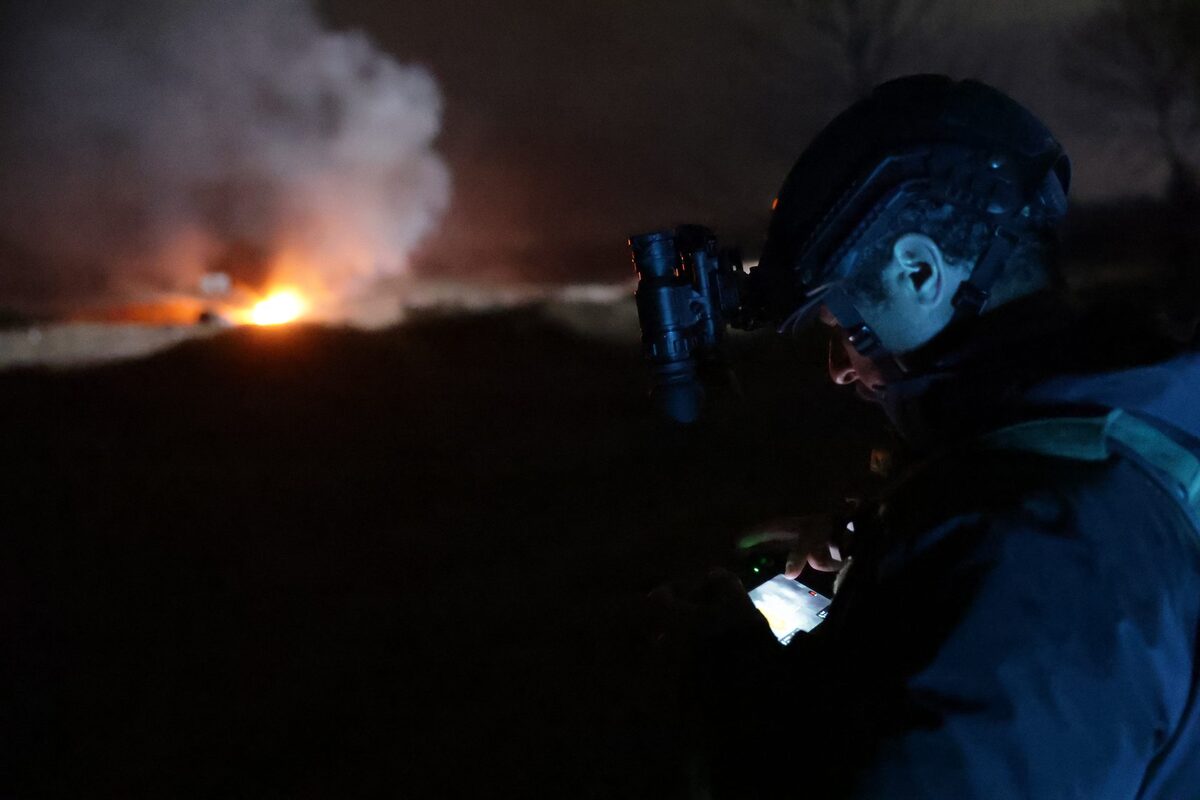
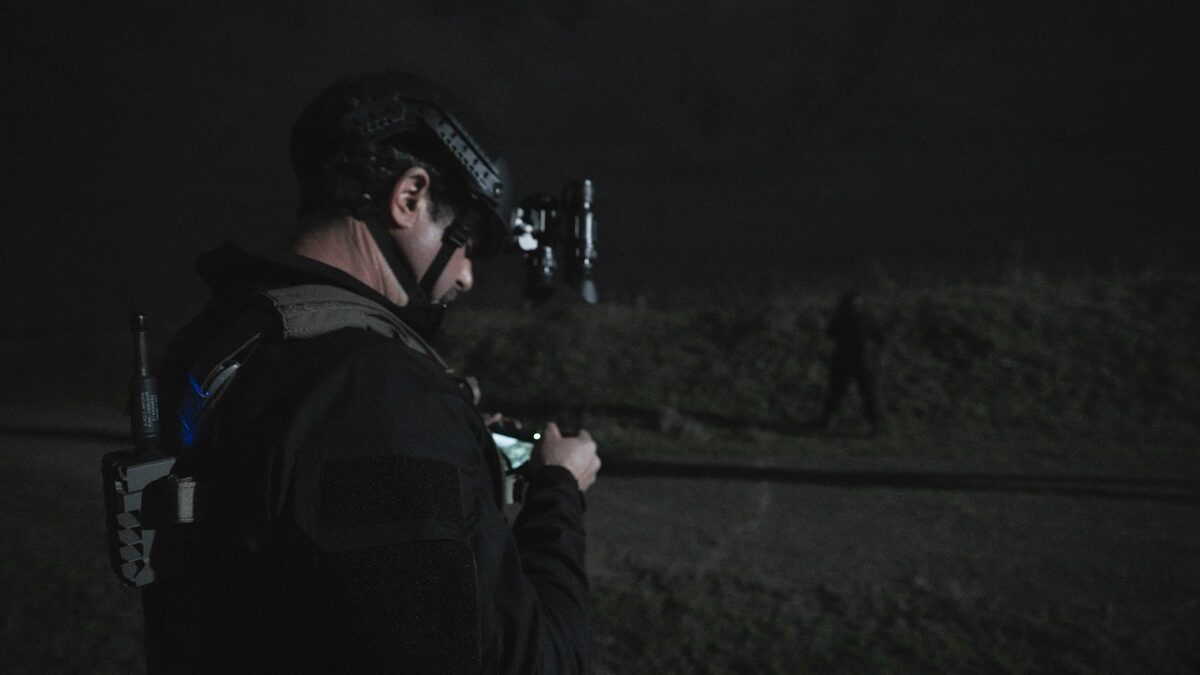
FPV operators train alongside assault elements, providing ISR overwatch during CQB scenarios and executing precision strike profiles in the live-fire Wadi. Counter-UAS training builds detection and defeat capabilities against the threat systems units face in current operational environments.

T1G operates in unrestricted Class G airspace on 777 acres — UAS and ground forces train together in the same evolution, not in separate blocks.

UAS / C-UAS Course Offerings

FPV UAS Operator5–10 days · Three tiers: Entry / Intermediate / Advanced

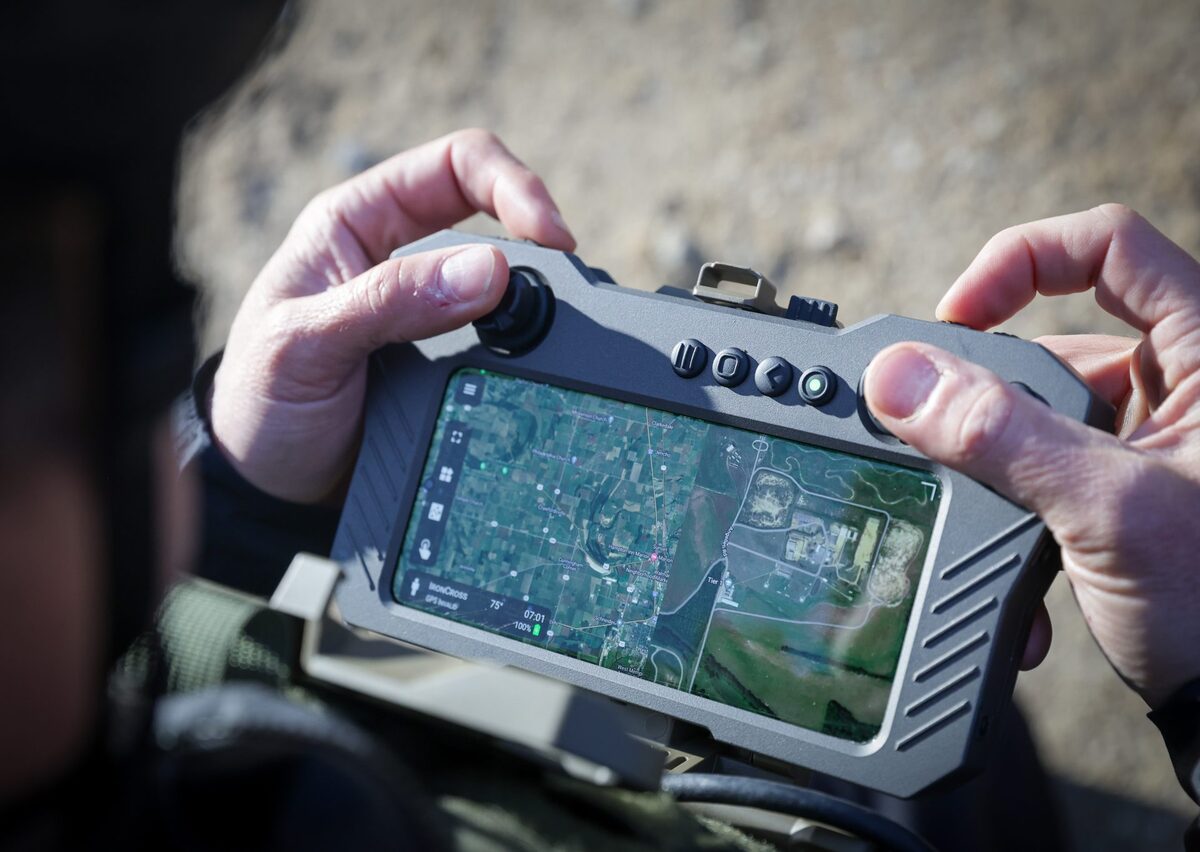
Build-and-fly fundamentals through ISR-supported strike operations and multi-drone coordination. All tiers reach the same end state: mastery of FPV flight dynamics, maintenance, and tactical employment. Live-flight scenarios with ground force integration, ATAK coordination, and BDA procedures. Entry timeline depends on operator experience.

Counter-UAS Defense TrainingCustom duration · Units facing UAS threats

Detection, tracking, identification, and defeat of adversary UAS. Electronic warfare considerations and kinetic/non-kinetic countermeasures integrated with ground force operations.

UAS 3D PrintingCustom duration · UAS maintainers and operators

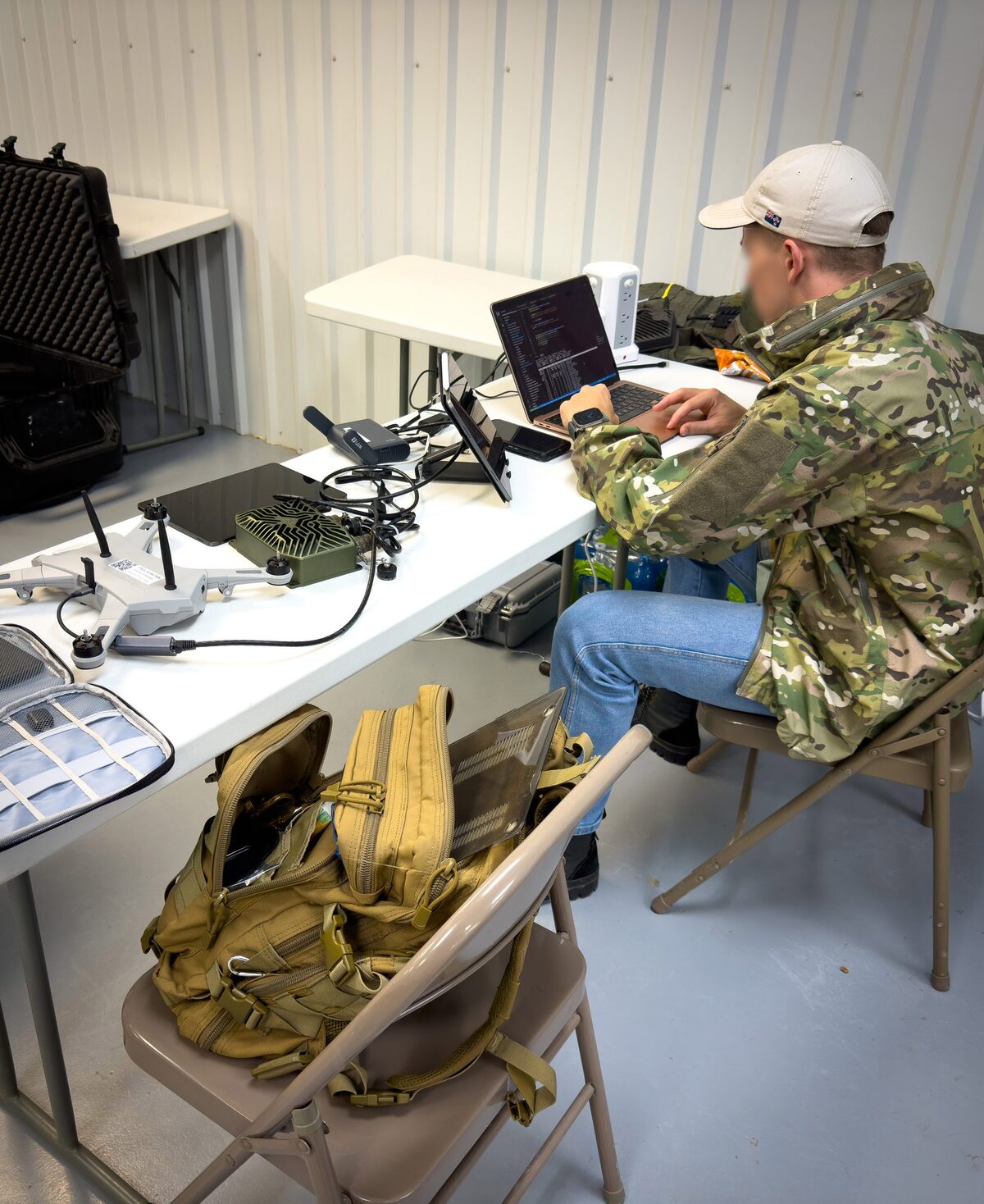
Rapid prototyping, field repair, and modification of UAS components using additive manufacturing. Materials science, CAD design, and live-flight testing of printed components. Reduces logistical dependencies in austere environments.

Multi-Domain Integration

Built from where your team is. Every discipline. Simultaneously.

What separates T1G is integration with ground forces — call for fires, shoot house overwatch, convoy tracking, TTP development with organic ground force coordination. FPV operators scout target buildings before assault elements enter and track squirters during CQB across the MOUT complex. ISR orbits at multiple altitudes — one layer monitoring the objective, another watching for reinforcements. Demo drops validate kinetic effects in the explosive-rated live-fire Wadi. Convoy tracking runs on the 2.6-mile paved track. Counter-UAS elements defend the force during every evolution.

Class G airspace. BVLOS corridor expandable to 9km with coordination. No TFRs, no COAs. Walk out and launch. Change training objectives in 30 minutes, not 30 days. UAS operations run concurrently with live-fire, breaching, and driving — the way units actually fight.

Class G AirspaceUnrestricted · 400 ft AGL
BVLOS Corridor9km Expandable w/ Coordination
Demo DropsExplosive-Rated · Live-Fire Wadi
Integration5 Disciplines · Live-Fire · FMPs
ATAK server integration UGV operations Scenario integration
T1G Discipline

Operational Medicine

View all medical courses →

Integrated Into the Fight

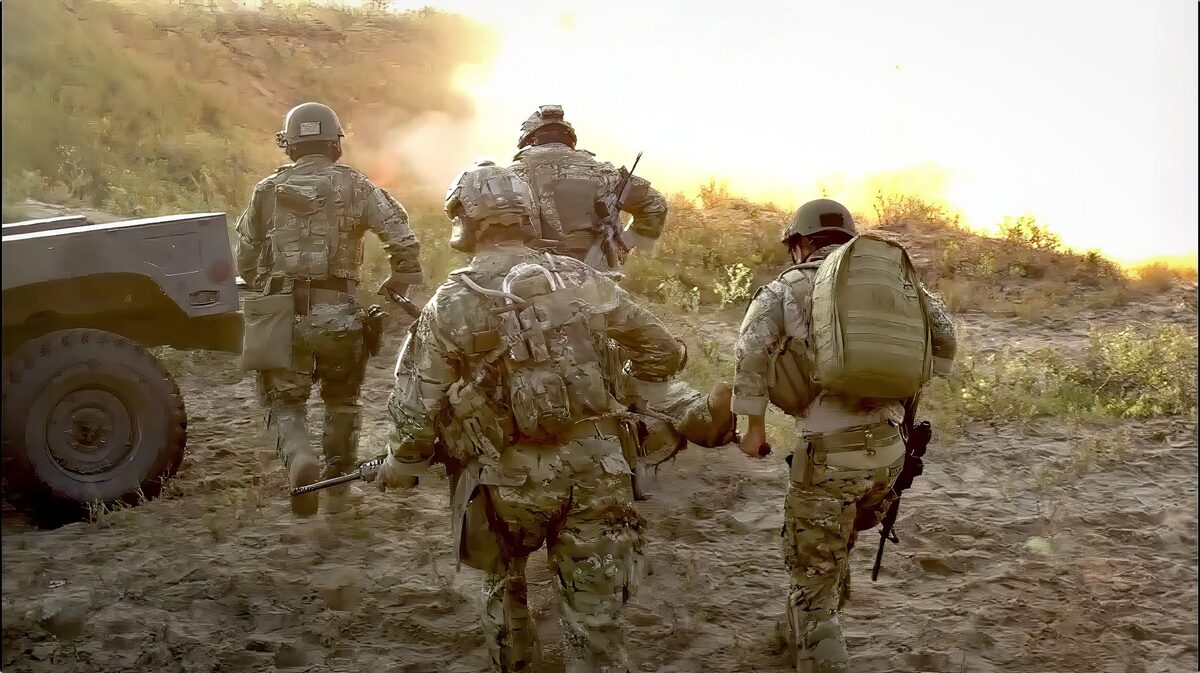
T1G's medical program trains the way units fight: medicine integrated into operations, not separated from them. Progressive scenario lanes layer tactical complexity onto medical tasks — hemorrhage control under fire, casualty assessment during movement, CASEVAC coordination while the tactical situation develops around them.

Curriculum built on JSOMTC and USSOCOM TCCC standards. Delivered by former Special Operations medics — Army Special Forces, Navy SEALs, Marine Recon/MARSOC, and Air Force Pararescuemen. Most served as instructors or section leads at the schoolhouse. Maximum 5:1 student-to-instructor ratio. 80% hands-on practical application.

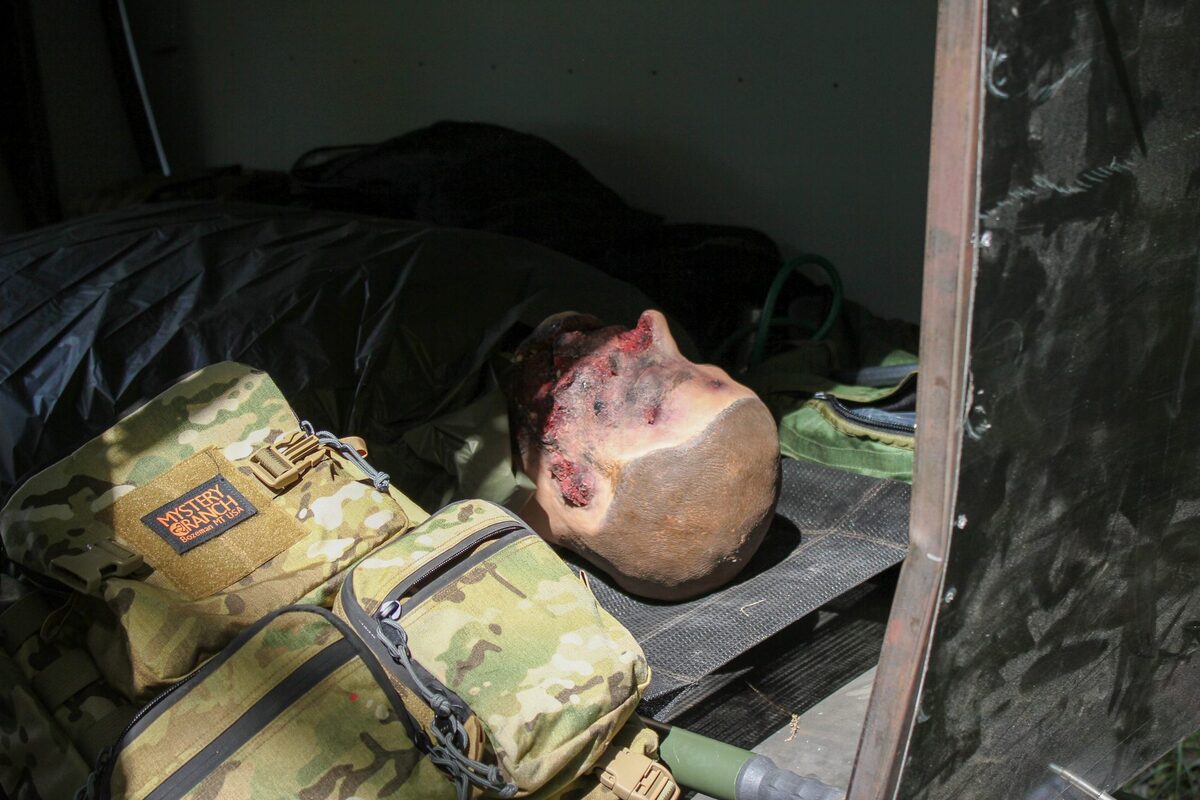
Purpose-built medical training facilities include the H-60 CASEVAC Trainer, Confined Space/Collapsed Structure Trainer, and Unconventional Warfare Clinic. T1G integrates mannequins, high-fidelity moulage, cut suits, and professional role players into every training exercise.

Keeping Names Off The Wall — T1G Medical Division

Casualty extraction under fire

Medical Course Offerings

Trauma & TCCC
Basic Combat Trauma Training3 days · Operators · 32 CAPCE CEUs

Operator-level TCCC based on CoTCCC guidelines and PHTLS standards. Patient assessment, hemorrhage control, airway management, and life-saving interventions. Exceeds baseline requirements with additional burn and head trauma training.

Advanced Combat Trauma Training4 days · Medics/Corpsmen/Providers · 40 CAPCE CEUs

Medic-level TCCC. Point of Injury treatment through 24-hour casualty management. Extensive unit-specific scenarios build clinical confidence and decision-making under pressure.

Applied Battlefield Medicine8–40 hours (modular) · Medics/Operators with TCCC exposure

Intensive hands-on practicum. Modular format includes preset missions from planning through extended care. Scenarios include IED, opposing forces, confined space, and high-angle situations with realistic stressors.

Advanced & Specialty Medical
Advanced Combat Medic Course40 hours · Experienced Medics/Corpsmen/Providers

Advanced clinical skills for combat casualty management — receiving patients, field clinic/BAS operations, and extended care during MEDEVAC delays. Covers advanced airway, shock management, blast injuries, pediatric trauma, and scenario-based field exercises.

Prolonged Field Care50 hours · Experienced SOF Medics/Corpsmen/Providers

Critical care for medical and trauma patients in undeveloped theaters with extended evacuation timelines. Laboratory interpretation, diagnostic monitoring, advanced management techniques, and an extensive culminating practical exercise.

Flight Paramedic Certification5 days · Current State or NREMT-P certification required

Comprehensive FP-C exam preparation. Critical care aeromedical concepts delivered in a format built for the military medic. Instructor staff maintains a pass rate 20% above the national average.

Recertification & Sustainment
SOF Tactical Medical Refresher84 hours · SOF Medics · 91 CAPCE CEUs

Meets the NREMT recertification and USSOCOM ATP certification requirements. Designed for Army 18D, Air Force PJ, Marine Recon Corpsmen, Navy IDC, and SPECWAR SEALs. Recertification in BLS, ACLS, PALS, PEPP, TCCC, and PHTLS. Full mission profiles tailored to unit requirements.

Paramedic Recertification2 weeks · NREMT-P or State-certified Paramedics · 80 CAPCE CEUs

Meets NREMT-P continuing education requirements and most state recertification standards. Recertification in BLS, ACLS, PALS, PEPP, TCCC, and PHTLS.

EMT-B Recertification40 hours · EMT-Basic certified personnel

Meets NREMT-B continuing education and most state recertification requirements. Skills sustainment and enhancement.

Rescue & Extrication
High-Angle RescueCustom duration · Rescue teams

High-angle rescue techniques, patient packaging, rope systems, and extraction procedures. Utilizes T1G's 5-story tower and Confined Space/Collapsed Structure Trainer.

Vehicle Extrication1–2 days (module) · Medical and rescue personnel

Techniques for removing casualties from vehicles in tactical and non-tactical environments — customized to your requirements.

Accreditation CAPCENAEMTBCCTPC · FP-CStar of Life

These continuing education activities are approved by T1G, an organization accredited by the Commission on Accreditation for Pre-Hospital Continuing Education (CAPCE).

Tactical casualty movement Night CASEVAC exercise
Medical Training Facilities

Purpose-Built. Always Available.

View all medical programs →
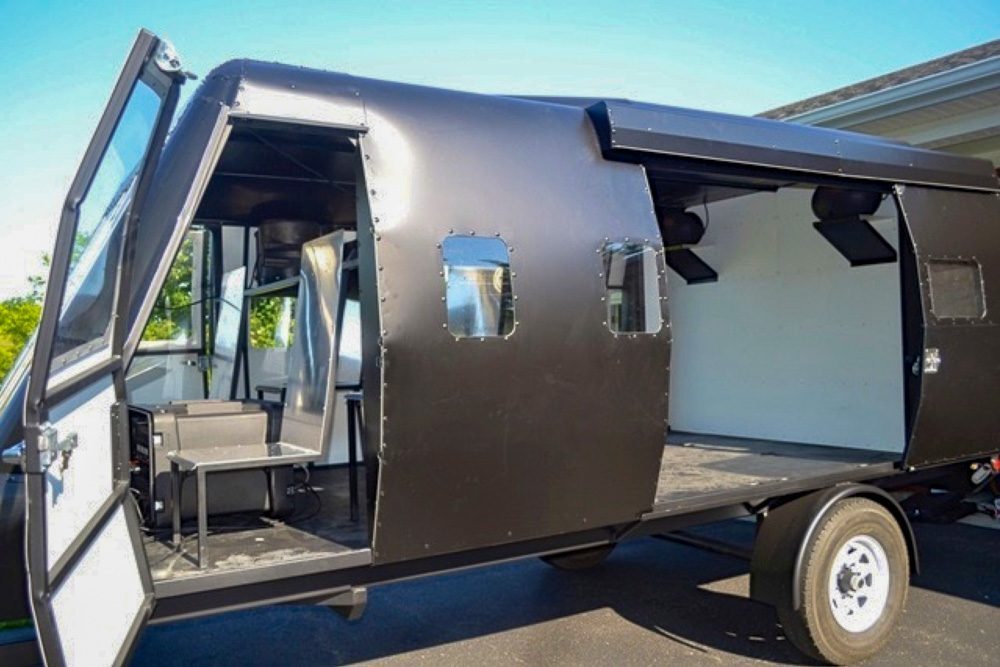
H-60 CASEVAC Trainer

H-60 CASEVAC Trainer

The aircraft you control.

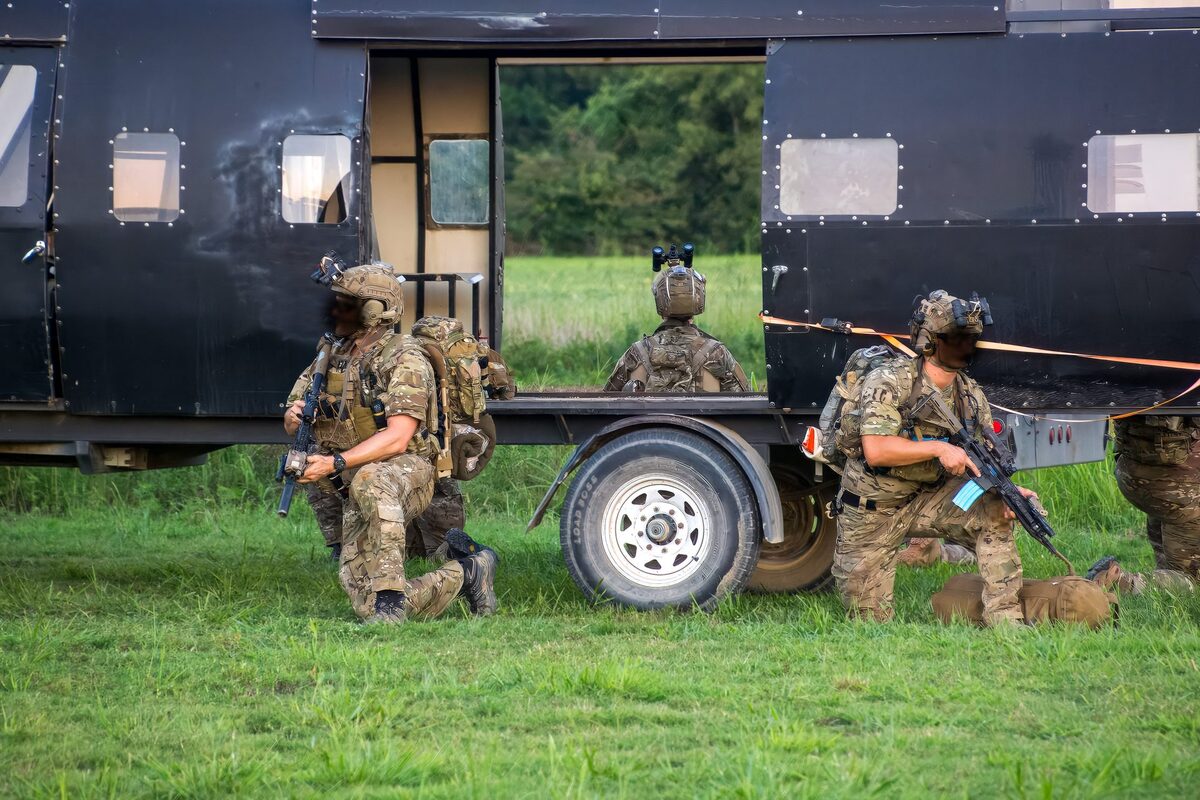
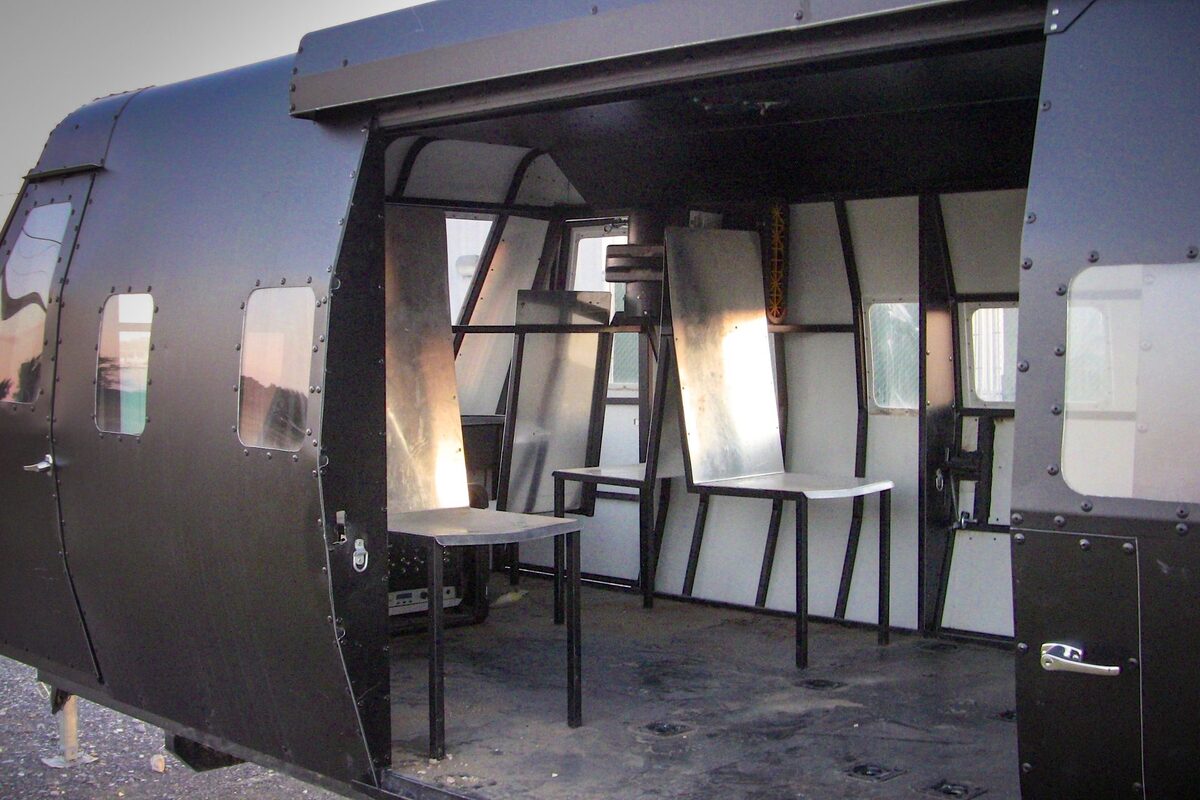
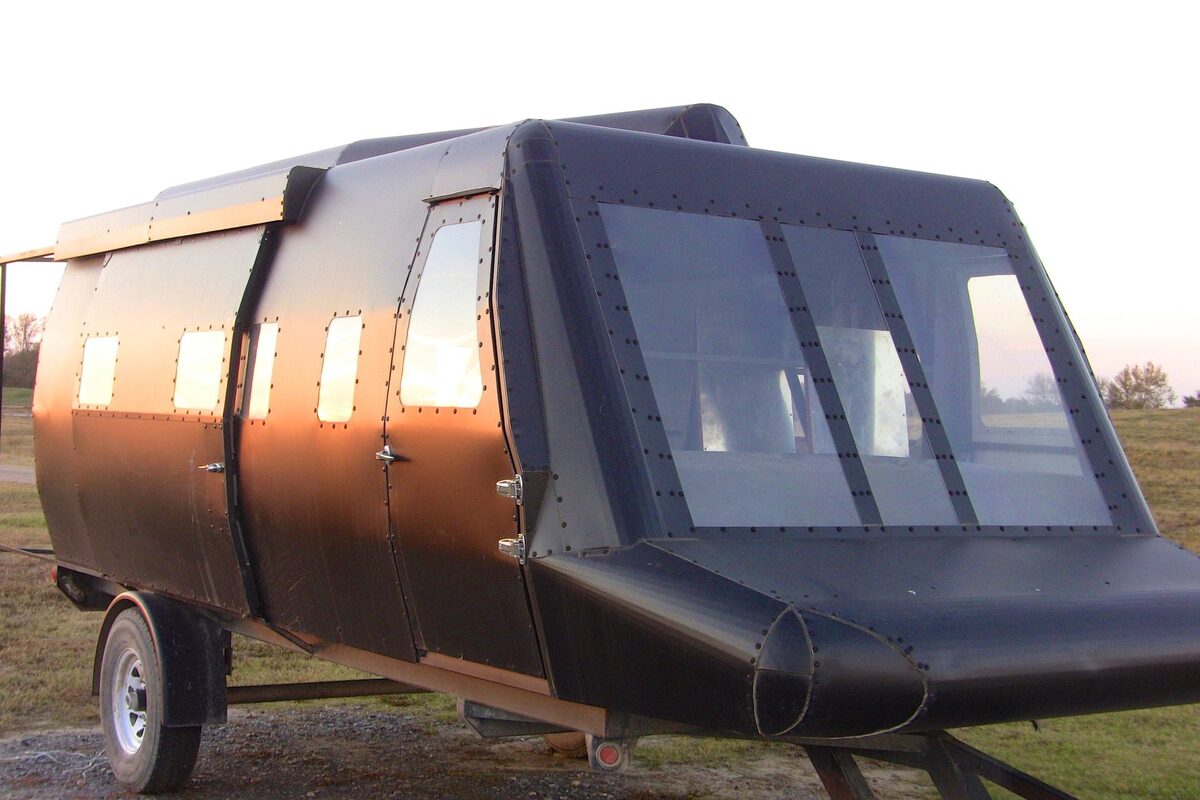
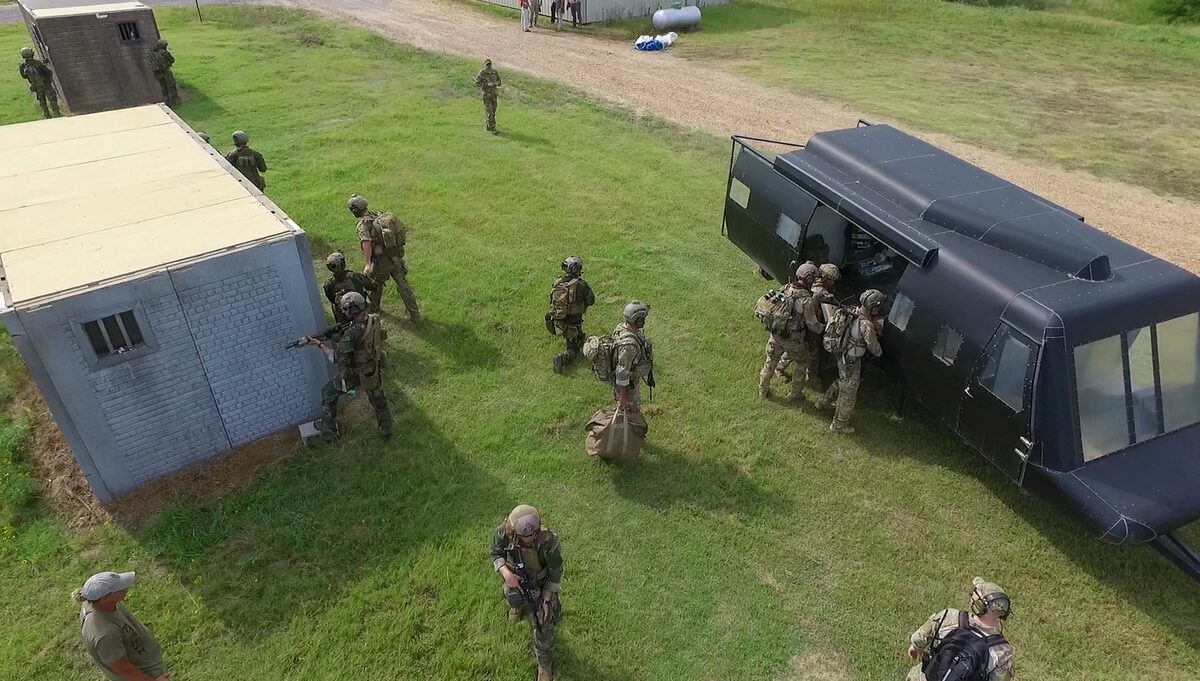
Helo support cancels. Maintenance, weather, availability — the reasons don't matter when your training window closes. T1G's H-60 CASEVAC Trainer puts tactical evacuation training on your schedule, not the flight line's. Your medics treat casualties on a moving platform with realistic cabin dimensions, aircraft noise, rotor wash, and configurable interior lighting — day or night.

CabinMatches H-60
Aircraft NoiseHigh-Power Amps & Speakers
Rotor WashHigh-Powered Fans
LightingWhite · Green · Red
InstructorSingle PC · Full Override
Availability24/7 · No Flight Line
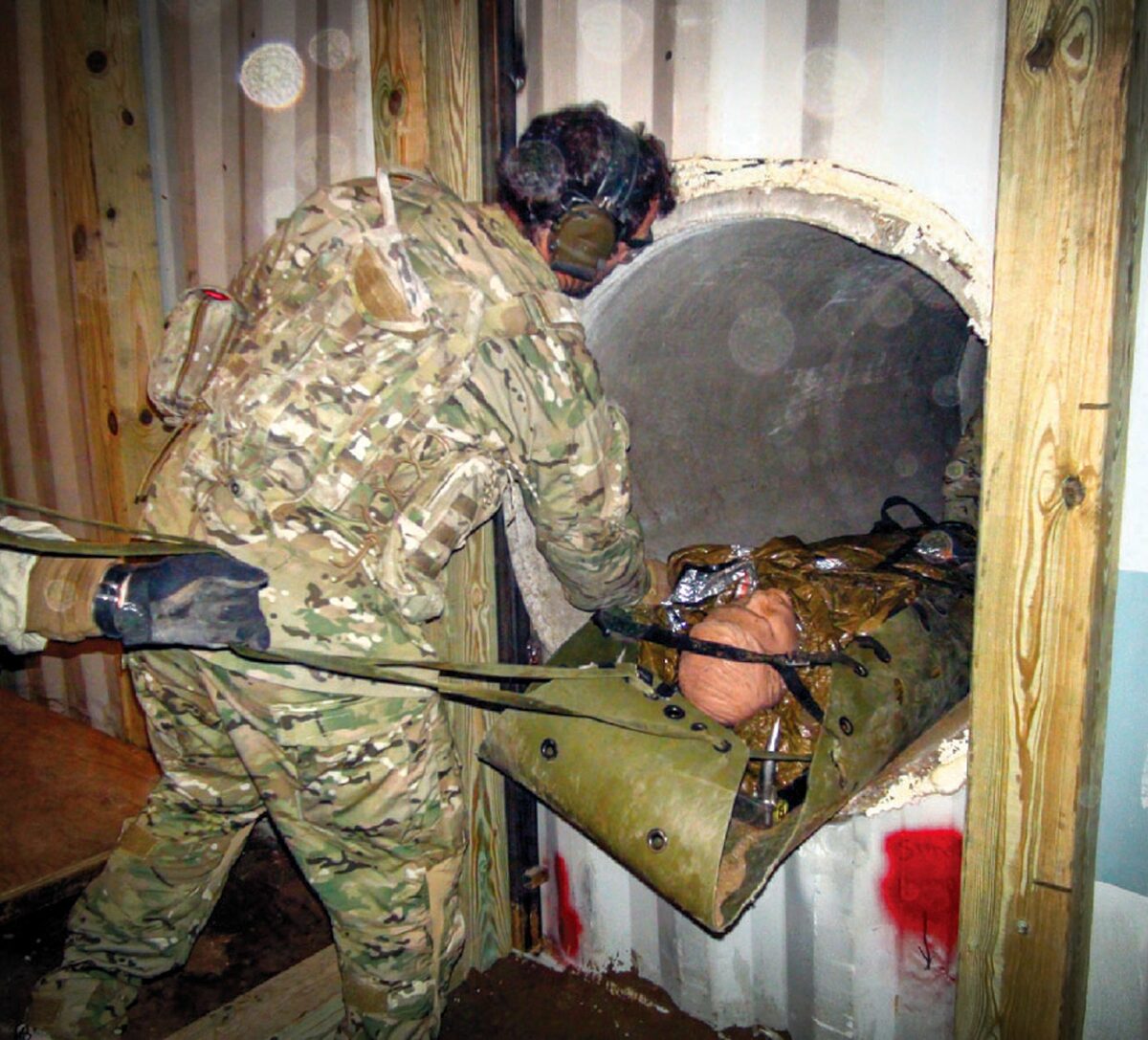
Confined Space / Collapsed Structure Trainer

Confined Space / Collapsed Structure

11,500 cubic feet of worst-case scenarios.

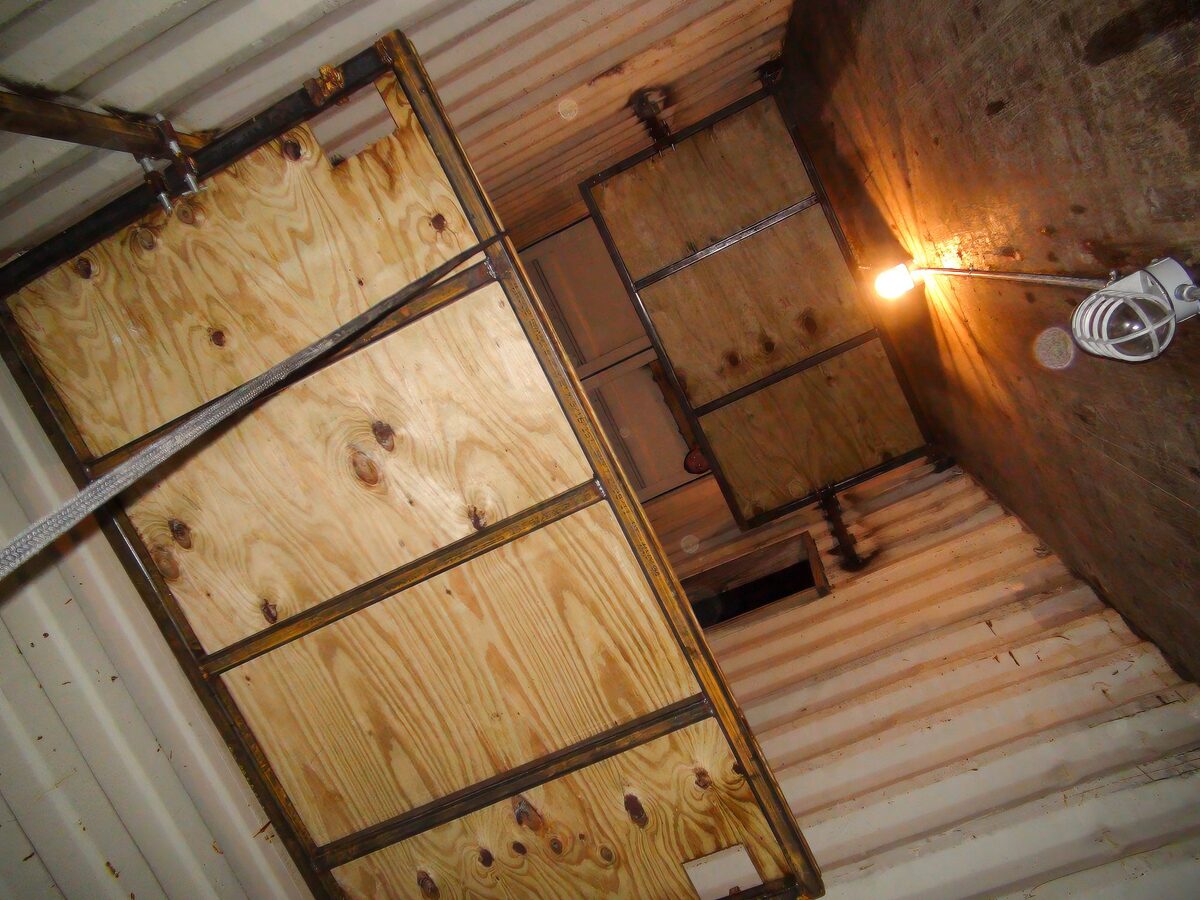
Your medics, rescue teams, and tactical elements train in the same conditions they'll face after a building collapse, IED strike, or structural breach — in a controlled environment where instructors can coach, stop, and reset. A buried conex beneath the visible structures adds subterranean training. A 36-inch-wide, 45-yard-long tunnel extends to Hogan's Alley with a vertical instructor shaft at the midpoint.

Volume11,500 Cu Ft
EntriesElevated & Non-Elevated
OpeningsAbove & Below 36" · 45-yd Tunnel
AccessTop · Sides · Bottom · Vertical Shaft
ObstructionsObstructed & Unobstructed
EnvironmentSmoke · Light · Noise Injection
H-60 day or night H-60 cabin operations Subterranean extraction
T1G Discipline

Breaching & Dynamic Entry

View all breaching courses →

Dynamic Entry Depends on a Rapid, Successful Breach

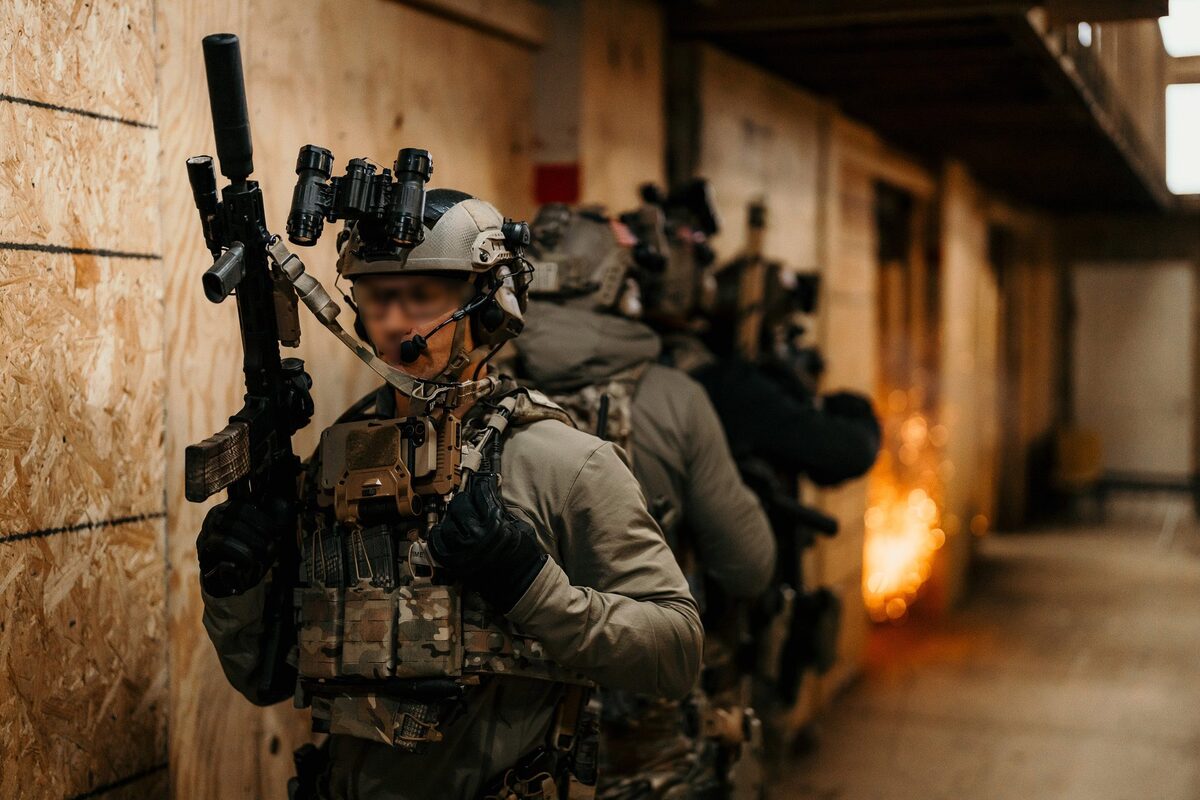
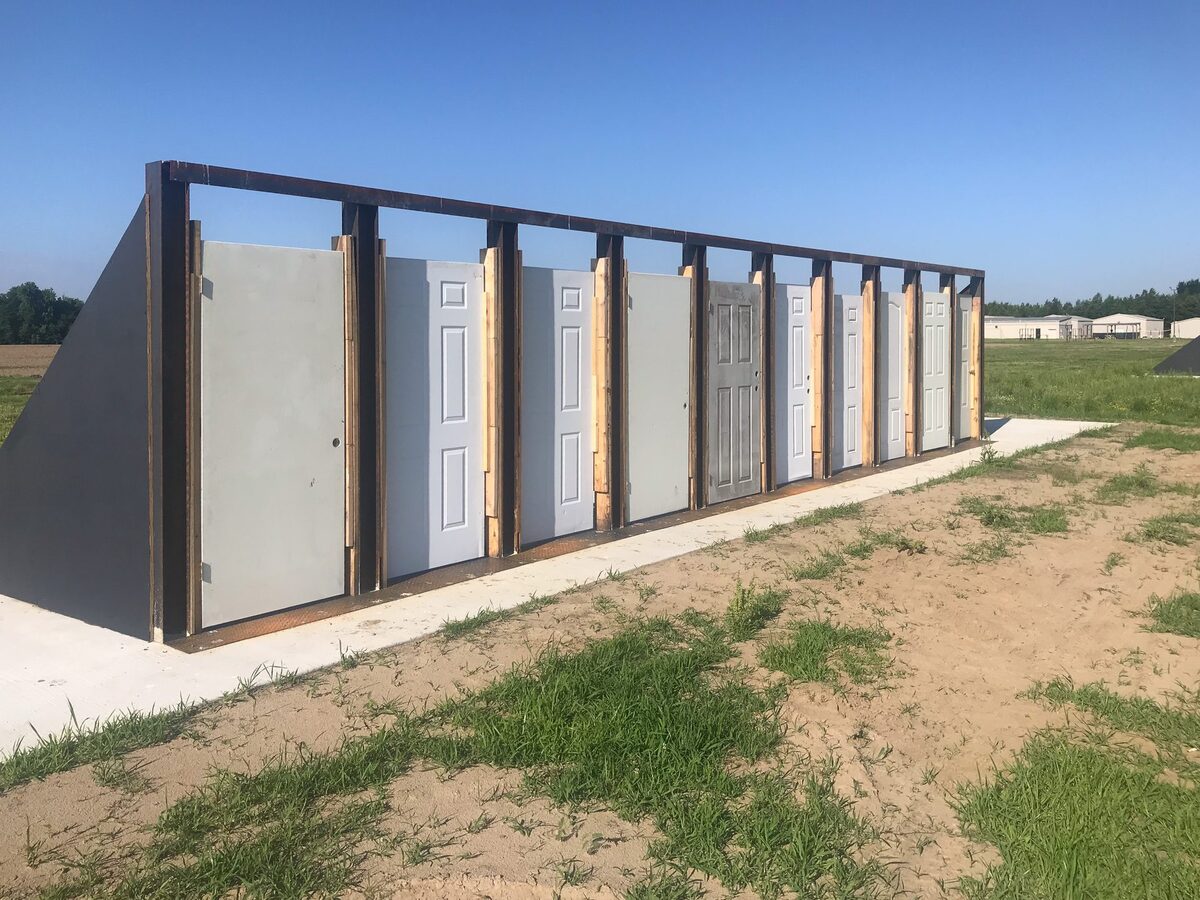
T1G's breaching programs build proficiency across every method of entry — explosive, mechanical, ballistic, thermal, and exothermic — using current-issue equipment and operationally proven TTPs. 110+ breach points across the property: two dedicated breach houses, two 10-door breaching racks for individual reps, and the shoot house compound — every student works their own door.

Two dedicated breach houses sit adjacent to the breaching classroom. T1G's enablers reconstruct one breach point while students train on the next — parallel lanes that eliminate downtime. The live-fire Urban Combat Compound, dedicated breach houses, and 10-acre Wadi are all engineered to support dynamic breaching and surgical entry. Students breach and flow through the entry in one continuous action — the same way they'll execute it on target.

Dedicated charge preparation rooms and an explosives handler's range are within walking distance. Zero noise or fire restrictions allow night breaching and full mission profiles.

2 Breach HousesParallel Lanes · Zero Downtime
110+ Breach PointsDoors · Windows · Walls
10-Door Racks · 2XIndividual Rep Stations
Charge PrepFully Stocked · Maintained
All MOE TypesExplosive · Ballistic · Thermal · Mechanical · Exothermic
Zero RestrictionsNight Breaching · FMPs

Breaching Course Offerings

SOF Explosive Entry I5 days · Operators building MOE proficiency

Mechanical, ballistic, and explosive breaching from first principles through live charge deployment. Covers ballistic breaching weapon safety, mechanical tool use, explosives handling and classification, and charge calculation, construction, and deployment.

SOF Explosive Entry II5 days · EE I graduates

Advanced charge construction, shockwave mechanics, and combat-simulated drills on complex targets — wall charges, window charges, and simultaneous entry TTPs. Refines explosive theory and placement strategies for optimal energy transfer while minimizing net explosive weight.

SOF Master Breacher5 days · Certification-level

Certification for operators who will plan, lead, and instruct breaching operations. Pushes beyond execution into the science behind every method of entry — explosive selection strategy, charge optimization, and the R&D process for developing new TTPs.

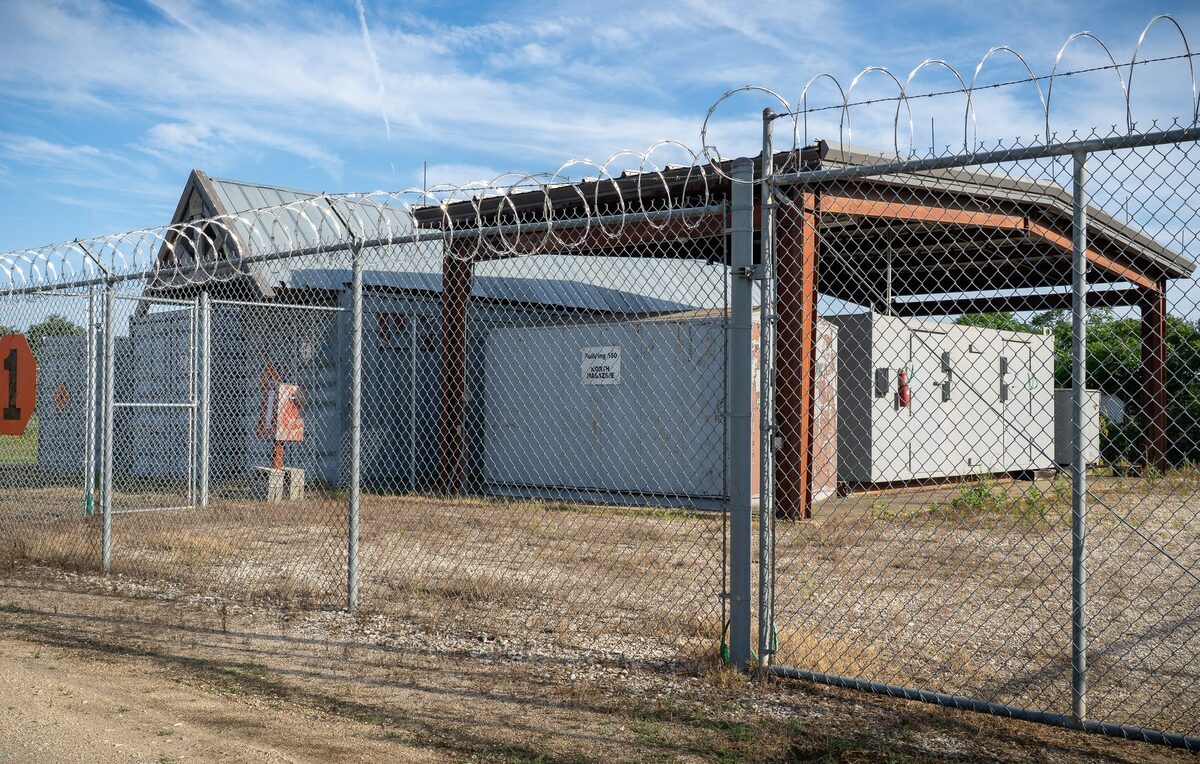
Classroom to detonation without leaving the complex. Overhead doors open directly from the breaching classroom to the breach houses, door facades, and breaching conex. A BATF-approved day box stores Class V on site — MilStrip and direct shipping accepted. No ASP delays. The breaching conex trains torch-cutting on ship doors, hatches, and steel plates — thermal entry work most facilities skip entirely.

10-door rack Breach houses Wall breach
T1G Discipline

Tactical Driving

View all driving courses →

Two WPS-Certified Tracks. One Location.

Unimproved roads track aerial

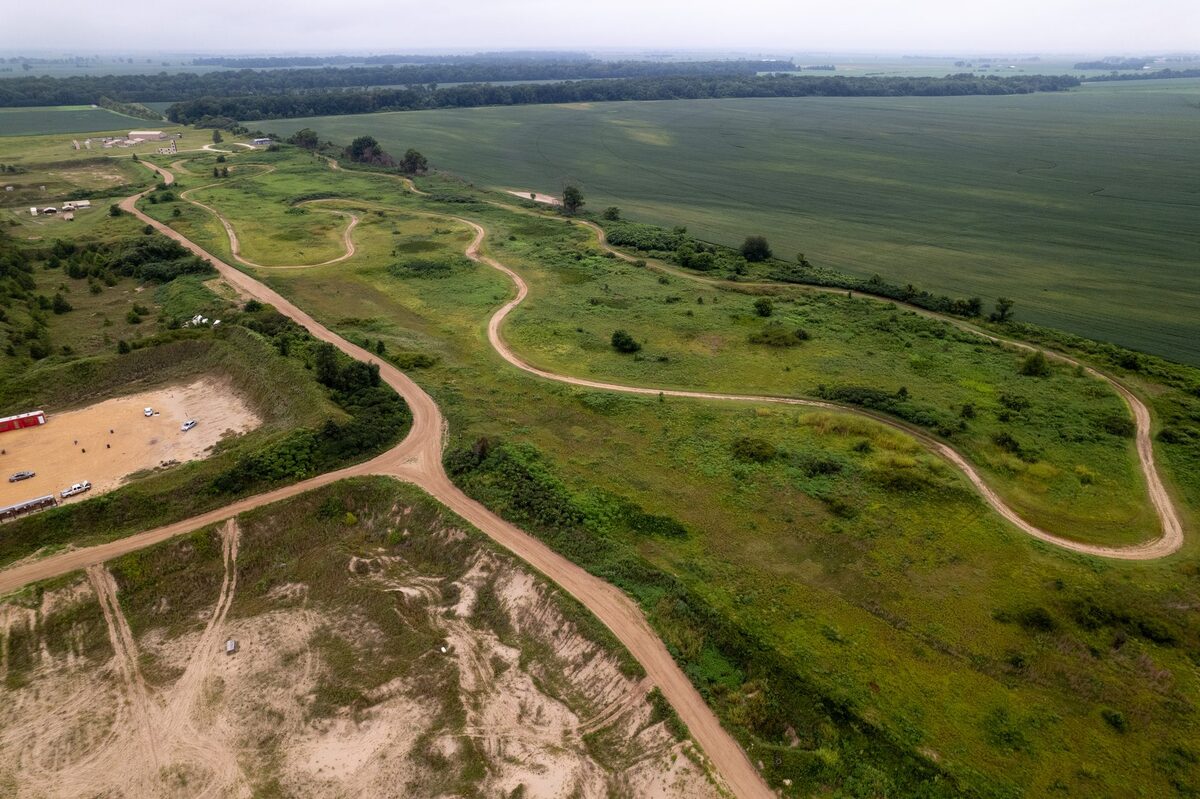
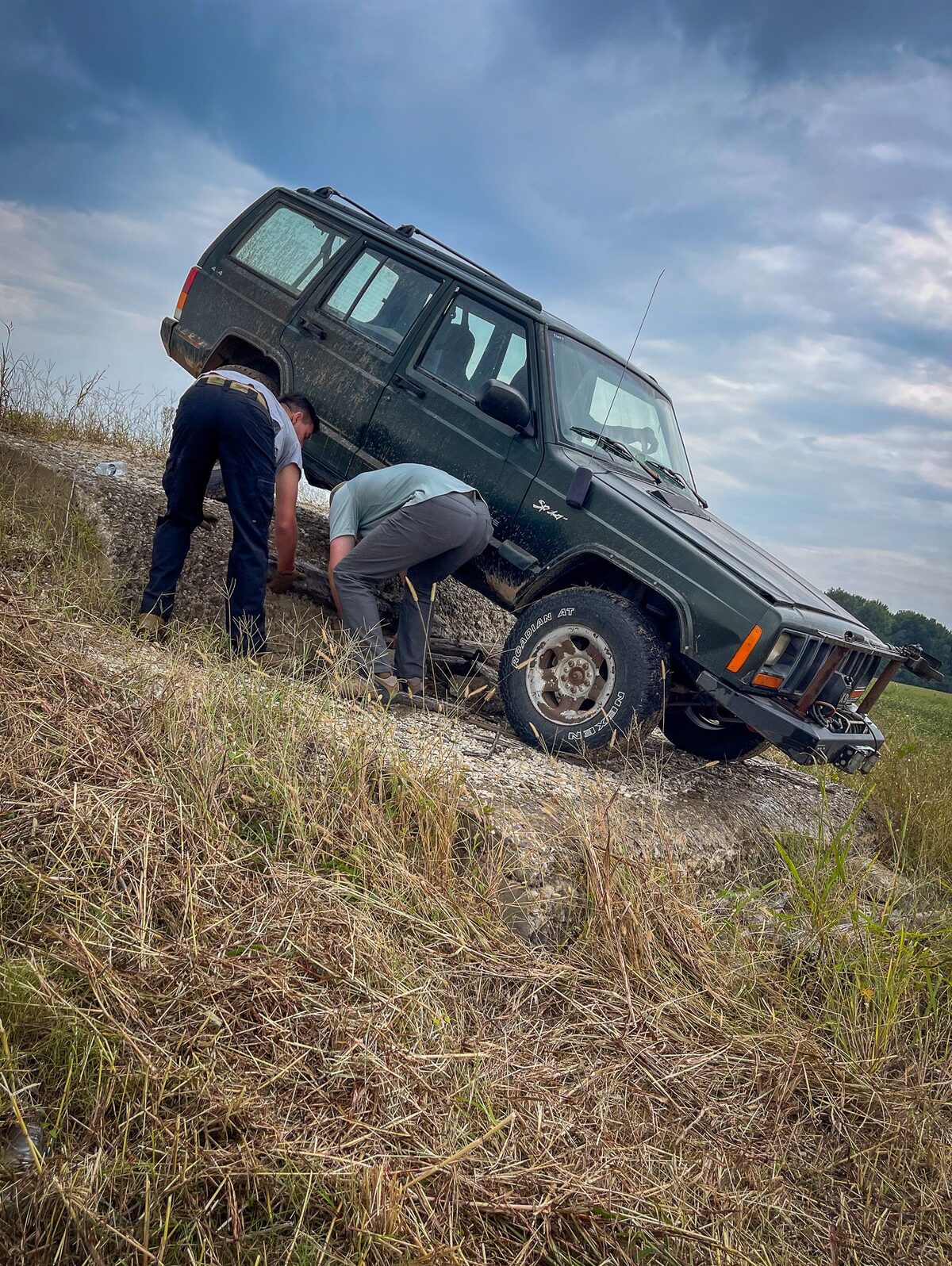
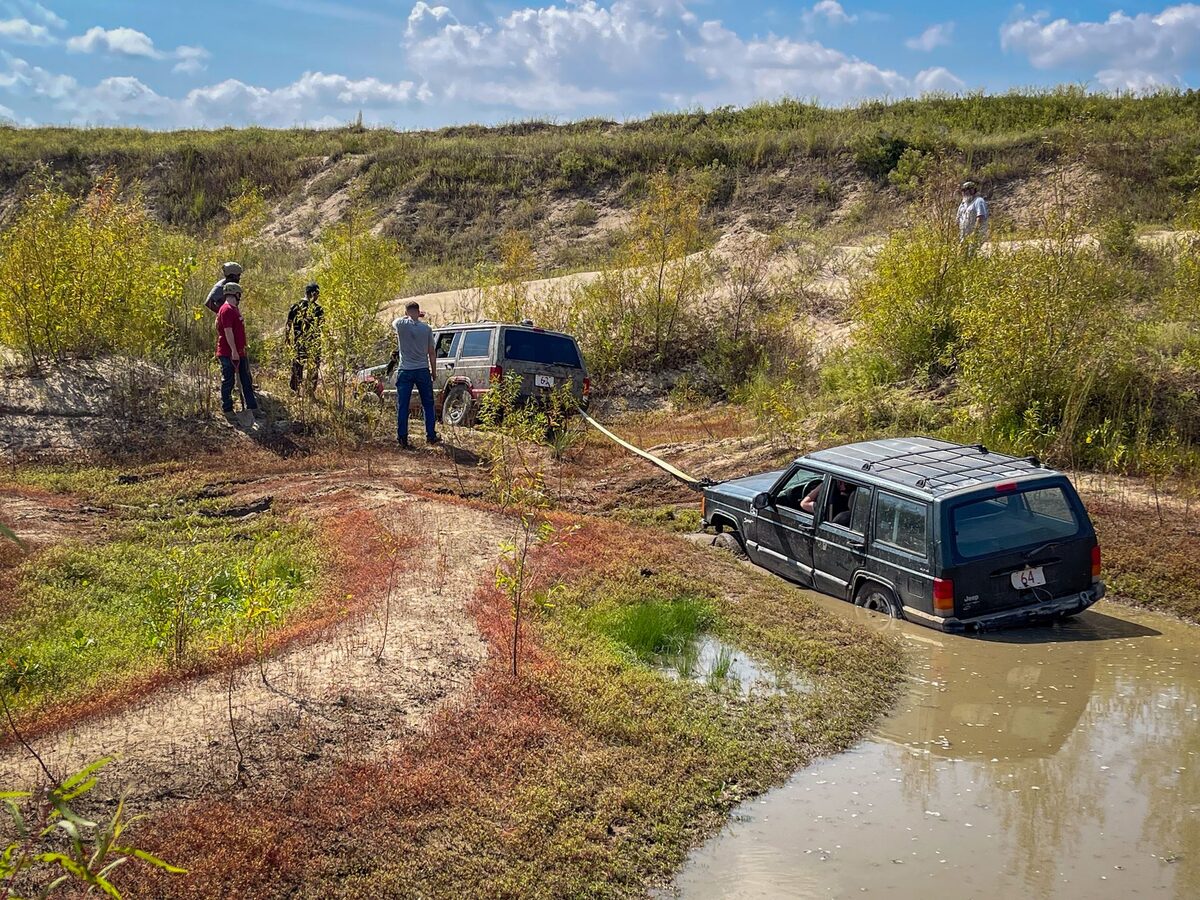
T1G provides on-road, off-road, and live-fire driving training on two WPS-certified tracks — a 2.6-mile paved high-performance track and a 2-mile unimproved roads track — plus miles of engineered off-road trails, a 10-acre live-fire Wadi, and a 13-acre sand Wadi.

All driving assets are co-located with T1G's ranges, MOUT complex, and training infrastructure, enabling seamless integration into scenarios and full mission profiles. Training builds on repetitive cycling and muscle memory engagement. Operators push vehicles to their limits under controlled conditions and learn to react instinctually to hazards and threats.

Vehicle preservation is the core principle across all programs of instruction. T1G supports training on organic platforms or T1G-provided vehicles including HMMWVs.

Driving Course Offerings

SOF & Military Driving
Tactical Operators Course2–3 days · Security professionals

Vehicle dynamics, high-speed driving, barricade breaching, escape maneuvers, PIT, and threat assessment scenarios. TOC foundations combined with motorcade communication, high-speed convoy procedures, and escape drills. Concludes with attack scenarios.

Mobile Force Protection5+ days · Deploying personnel

Threat reaction training for personnel and material in transit. Vehicle maneuvering as a unit, ambush response, and mounted operations in contested environments.

SOF Protection & High-Risk Driver6 days · SOF personnel

Personal force protection, mobility, vehicle commandeering, vehicle recovery, and defensive/offensive driving day and night. Full-contact combatives and lethal/non-lethal self-defense methods integrated throughout.

SOF High-Risk Driver5–6 days · SOF operators

Advanced driving for SOF deployment profiles. High-speed maneuvering, counter-ambush, and threat response in permissive and non-permissive environments.

High-Risk Driver5 days · Security professionals

Defensive and offensive driving techniques for high-risk environments. Counter-threat driving, evasive maneuvering, and vehicle dynamics under stress.

SOF Tactical Vehicle Interdiction & Commandeering3 days · SOF and special purpose forces

Vehicle interdiction, commandeering techniques, and mobile operations. Advanced vehicle assault and recovery procedures.

Executive Protection & Motorcade
Executive Protection Driver Training3–5 days · EP teams

Vehicle dynamics, high-speed maneuvering, barricade breaching, and escape techniques combined with vehicle assault resistance, close proximity driving, and formation driving.

Close Protection Driving3–5 days · Close protection teams

Advanced protective driving integrated with principal protection operations. Motorcade procedures, route selection, and threat response.

Motorcade Operators CourseCustom duration · Motorcade teams

TOC foundations combined with motorcade communication, high-speed convoy procedures, and escape drills. Concludes with attack scenarios.

Law Enforcement Driving
Basic Law Enforcement Driving Course2 days · LE agencies

Foundational pursuit driving, vehicle dynamics, and emergency vehicle operations for law enforcement officers.

Advanced Law Enforcement Driving Course3 days · BLEDC graduates (1-day condensed option available)

Advanced pursuit techniques, high-speed maneuvering, and tactical driving applications for experienced LE drivers.

Emergency Vehicle Operators CourseCustom duration · LE and emergency services

Emergency vehicle operation, pursuit driving, and response driving for law enforcement and emergency services personnel.

Off-Road & Recovery
Off-Road Driver I1 day · All levels

Introduction to off-road vehicle dynamics. Left foot braking, recovery techniques, terrain assessment, and vehicle limitations. T1G HMMWVs or client platforms.

Off-Road Driver II2 days · ORD I graduates or experienced off-road drivers

More driving time, more challenging obstacles, and increased difficulty. Advanced recovery techniques and momentum management.

Off-Road Driver III3 days · Advanced off-road operators (1-day unimproved road option available)

Complex terrain negotiation, convoy operations on unimproved surfaces, and advanced recovery operations.

Vehicle Extrication1–2 days (module) · Medical, rescue, and tactical personnel

Techniques for extracting casualties from vehicles in tactical and non-tactical environments.

The Tracks

2.6-mile paved track aerial

2.6-Mile WPS Certified High-Performance Live-Fire

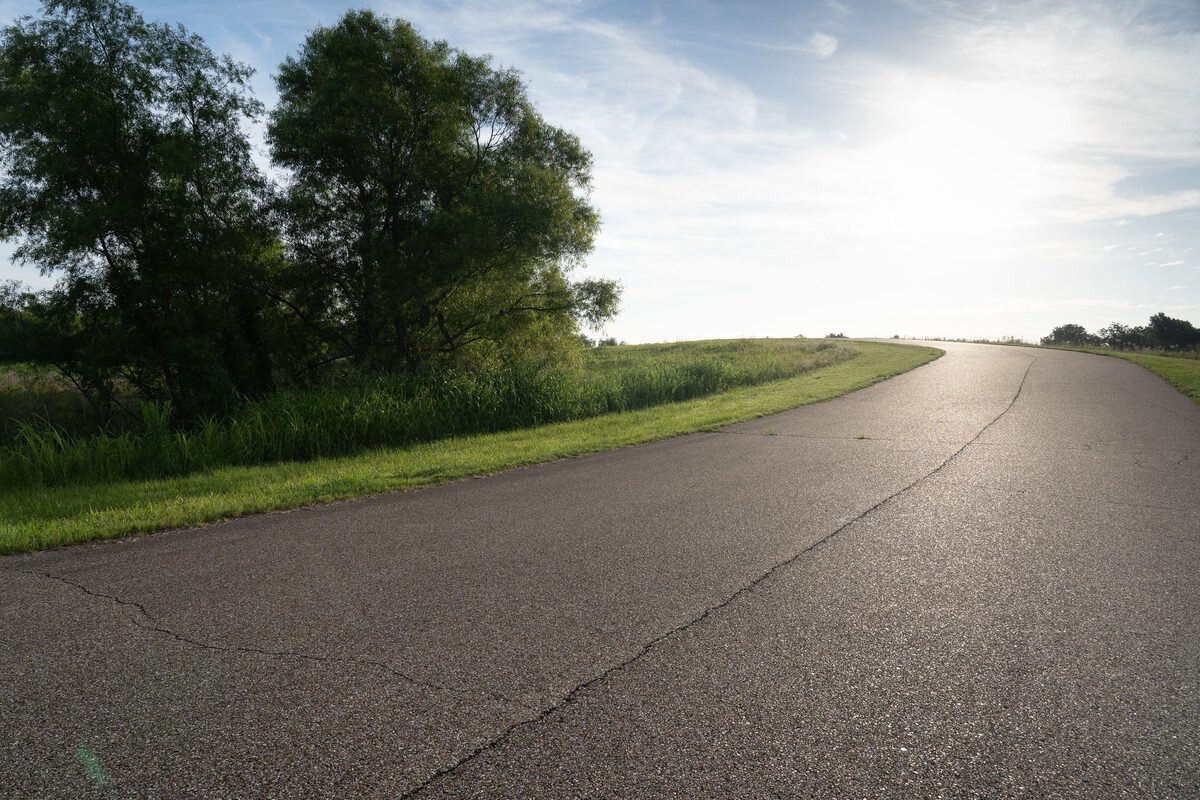
T1G's 2.6-mile paved track is built for technical driving and scenario-based training — not laps. Strategic berms at key choke points and integrated site features support ambush response, counter-ambush, and convoy scenarios. A 2,800-ft straightaway supports high-speed maneuvers up to 100 mph and STOL aircraft landing and takeoff. The integrated 270-degree live-fire counter-ambush area and WPS Certification make this one of the few tracks in the country where units conduct advanced driving and full mission profiles with live rounds downrange.

2.6 MilesWPS Certified
270° Live-FireCounter-Ambush Area
Straightaway2,800 ft · 100 MPH
Skid PadWet & Dry · Sprinkler
STOL CapableFixed-Wing Land & Take Off
BermsAmbush & Convoy Scenarios
2-mile unimproved roads track

2-Mile WPS Certified Unimproved Roads

T1G's 2-mile unimproved roads track replicates the terrain operators encounter in non-permissive environments — mixed surfaces, blind corners, elevation changes, and conditions that punish hesitation. Adjacent to the 10-acre live-fire Wadi and 13-acre Sand Wadi for integrated driving and scenario training. Repetitive cycling at maximum vehicle limits builds the muscle memory that turns conscious decision-making into instinctual reaction.

2 MilesWPS Certified
Blind CornersIncreasing & Decreasing Radii
Adjacent Wadis10-Acre Live-Fire · 13-Acre Sand
PlatformsT1G HMMWV or Client Vehicles
SurfacesRealistic · Not Groomed
IntegrationDriving · CQB · FMPs

Off-Road Driving Trails & Engineered Challenges

Miles of trails and purpose-built engineered challenges support tactical convoy operations, vehicle recovery, and off-road driver training across three progressive course levels. Two engineered obstacle courses and the adjacent WPS Certified Unimproved Roads Track provide a full range of terrain — from groomed gravel to creek crossings to deep sand. Train on T1G HMMWVs or bring your own platforms.

Site Terrain Features: 10-acre Live-Fire Wadi · 13-acre Sand Wadi · Two Engineered Obstacle Courses · Miles of Gravel, Dirt, and Sand Roads · Creek Trails & Crossings · Logs / Downed Trees · Challenging Inclines / Declines · Mixed Surface Variants · Alternating Speed Bumps · Alternating Angled Ruts · Angled & Deep Ditches

Paved track side view Off-road obstacles Off-camber descent
The Tour

Ranges & Training Facilities

Eleven facilities. Click any to expand. This is where individual discipline training becomes integrated operations.

10-Acre Live-Fire Wadi & Urban Sniper HidesWhere five disciplines converge

Where every discipline on the property converges.

The Wadi sits between the Urban Combat Compound and the 30-acre MOUT complex with adjacent helo landing and drop zones — every major training asset within walking distance. Two urban sniper hide towers on the north and south perimeter provide 360° overwatch. The south tower covers both the Wadi and the Urban Combat Compound, supporting simultaneous sniper-initiated assault profiles.

Five disciplines converge here. Live-fire driving through rough terrain. Casualty extraction under Simunitions fire, including helo airlift. Explosive and IED scenarios. Breaching operations integrated with assault element movement. Medical treatment under operational conditions. All of it runs 24/7 — no noise restrictions, no fire restrictions, no curfews.

Wadi10 Acres · Live-Fire Terrain
Sniper Hides2 Structures · N & S Perimeters
Disciplines5 · CQB · Medical · Driving · Breaching · UAS
Overwatch360° · MOUT · Embassy · Shoot Houses · Wadi
Elevation2 Stories + Tower Per Structure
Simultaneous Shots3 Positions · Hides + 5-Story + CS/CS
LoopholesInterchangeable · Pre-Existing or Student-Created
Operations24/7 · Explosive/IED Rated · Zero Restrictions
Live-Fire Wadi aerial Sniper hide operators
30-Acre Urban MOUT with DZ/LZ18 buildings · Static Line · HALO · Rotary Wing

Where individual discipline training becomes integrated operations.

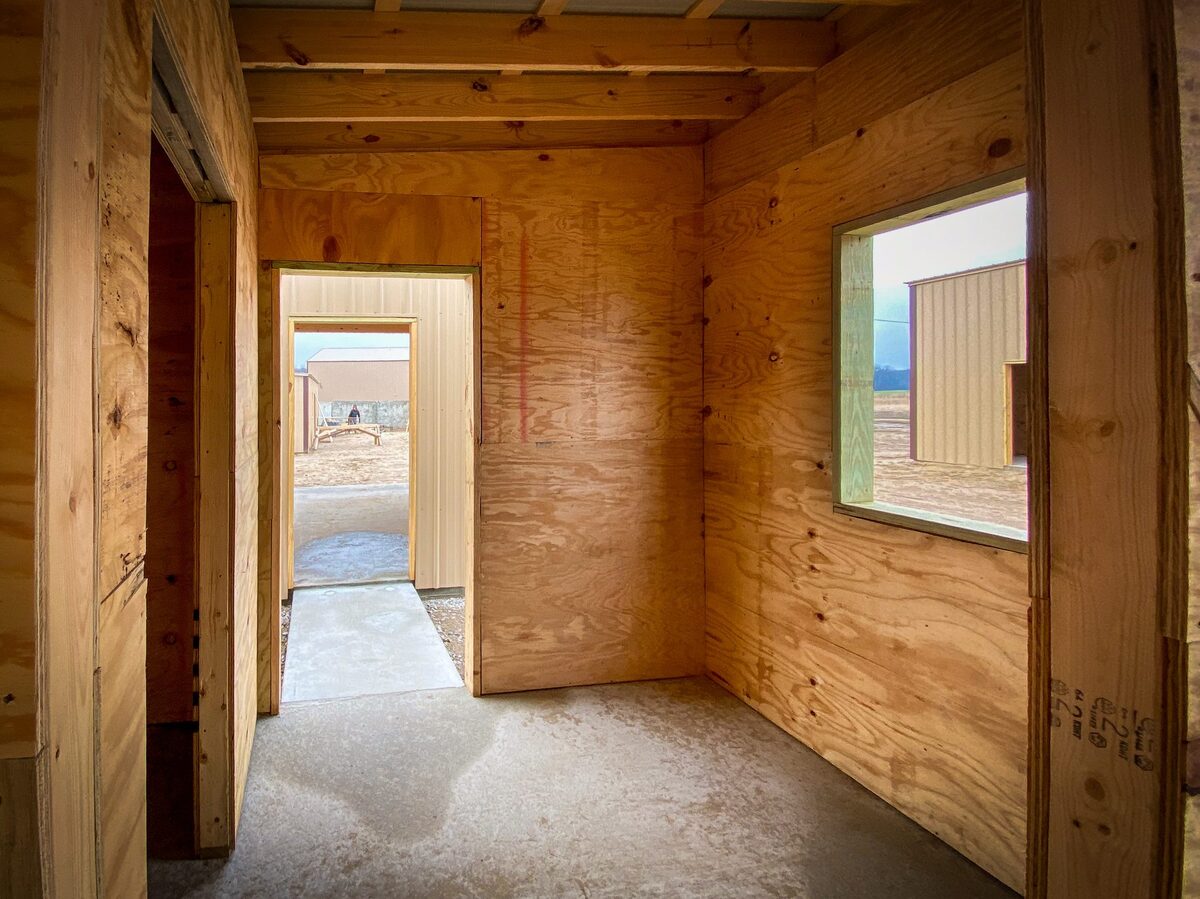
Eighteen structures across the full 30 acres — residential, commercial, and multi-story complexes connected by a road network that integrates with T1G's driving tracks and the adjacent Urban Combat Compound. The SIMS CQB Training Center sits at the northwest corner. The 10-acre live-fire Wadi and two urban sniper hide towers border the south and west perimeters. An 840m × 720m certified Drop Zone (ZAR Index #1022) and multiple helo landing zones support airborne insertion and extract.

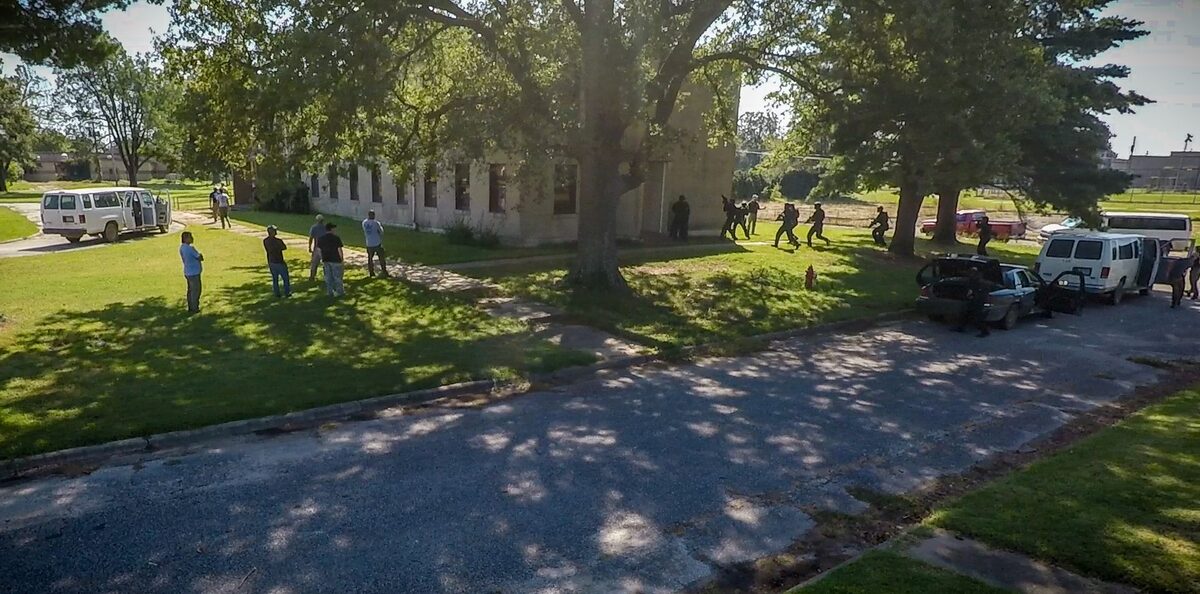
The MOUT Village deconflicts with the 5-story tower and CS/CS Trainer for simultaneous sniper-initiated assault exercises. Tracking, Tagging, Locating, and Sensitive Site Exploitation scenarios run with opposing forces and civilian role players across the full village footprint.

Complex30 Acres · 18 Buildings
Drop Zone840m × 720m · ZAR Index #1022
InsertionStatic Line · HALO · Rotary Wing
Sniper Positions5 Elevated · Deconflicted
ScenariosTTL · SSE · OPFOR · Role Players
Operations24/7 · Explosive-Rated · Class G
MOUT aerial MOUT interior
SIMS CQB Training Center9,375 sq ft · 24 rooms · 40 doors · 6 stairwells

Four stacks simultaneous. Six stairwells. No easy rooms.

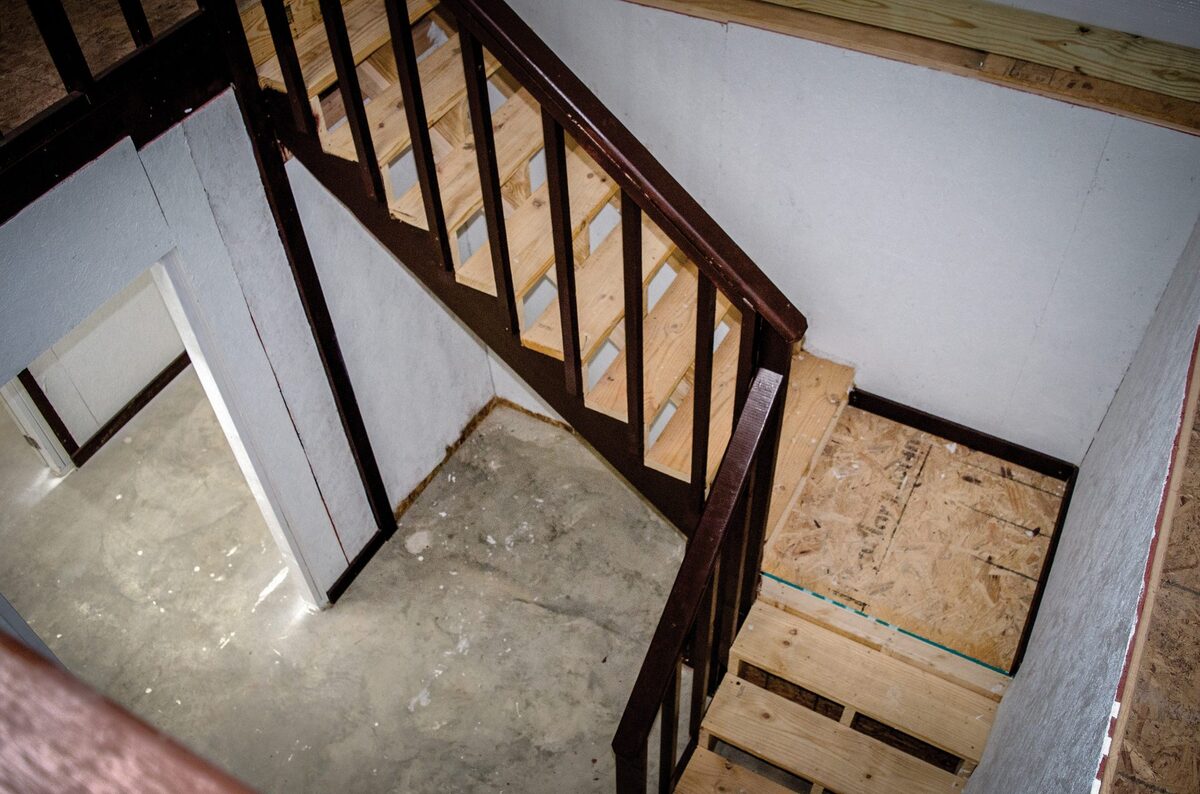
9,375 sq ft. Two stories. Six stairwells. 24 rooms. 40 interior doors. Multiple first and second-floor entrances. Strobes, sound system, and hidden areas for K9/explosive detection training. The facility sits in the northwest corner of the 30-acre MOUT Village, integrated into the site's road network and supported by adjacent LZ/DZ — scenarios flow directly into or out of full mission profiles.

Forty-eight closed-circuit cameras cover every room, projected in real time for immediate after-action review. A master control room gives instructors override control of every light, plus audio and video distraction features. Four 12-man stacks run simultaneously. Reconfigurable between iterations — hanging closures take doorways in and out of play, rolling partitions create or eliminate hallways. Teams face a different layout every rep without leaving the building.

Footprint9,375 Sq Ft · Two Stories
Layout24 Rooms · 40 Doors · 6 Stairwells
Capacity4 × 12-Man Stacks Simultaneously
Cameras48 CCTV · One-Eye Projection
Control RoomAudio · Video · Lighting Override
ConfigurationReconfigurable · Doors & Hallways In/Out
SIMS CQB Training Center SIMS NVG operations
Live-Fire Urban Combat Compound + Shoot Houses2 ballistic shoot houses · Walled compound

Two houses. Two teams. Zero downtime between reps.

Two ballistic shoot houses inside a walled compound — graveled courtyard, 9' indigenous walls, multiple explosive and vehicular breach points, and indigenous gates integrated into the site's road network. Reconfigurable for residential, commercial, or industrial scenarios. Sniper-initiated assaults coordinate from the adjacent urban sniper hides. Professional evaluator catwalks provide total room-to-room exposure for real-time observation, start/stop after-action review, and video.

Shoot House 1: 4,200 sq ft  ·  Shoot House 2: 8,000 sq ft  ·  Maximum NEW .29 · No M855 or Penetrator

Ballistic to 7.62mm BallNo M855 or Penetrator
Max NEW .29Explosive Breach Capable
2 Shoot Houses15 meters apart
9' Walled CompoundIndigenous gates · Road network
4 Breach MethodsExplosive · Ballistic · Mechanical · Thermal
Evaluator CatwalksRoom-to-room observation & video
Two live-fire shoot houses Evaluator catwalks Reconfigurable
Range 2 & Range 3Multipurpose flat ranges · 100 & 150 yards

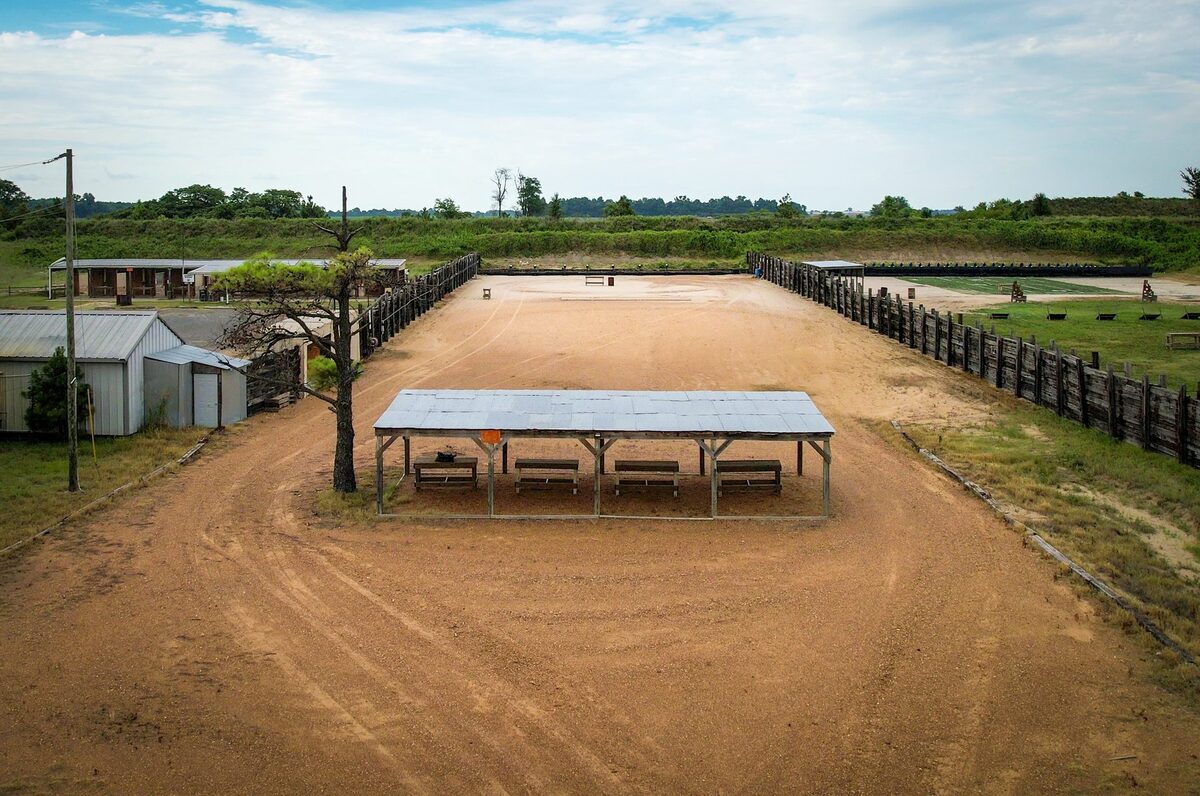
Range 2 — 100-Yard Multipurpose. The assessment and remediation range. Range 2 is where cadre evaluates skill level quickly and addresses deficiencies before moving to shoot houses. Computerized 90° turning targets — pneumatic, threat and non-threat — present scenarios at combat speed across 20 lanes. Pistol, shotgun, machine gun, and rifle up to 7.62mm. Rogers Range is the better choice for pure pistol work — Range 2 is built for reactionary rifle skills.

Range 3 — 150-Yard "Steel Monster." 40 firing lanes, each with a turner, two head plate arrays, a steel torso, and up to four runners. Four industrial-strength tracks and six trolleys span the 140-foot width. Runners can be steel or paper, threat or non-threat. Paper turners face or edge the shooter for shoot/no-shoot discrimination. Each head plate bank presents six 8-inch reactive AR550 targets — instant audible feedback that builds subconscious memory. Multiple towers with elevated platforms approximately 300 yards away provide true sniper overwatch characteristics.

Range 2 Range 3
Range 1 — Rogers Range & Range 8 — SOF Skills Complex8-lane reactive · 8-bay competition

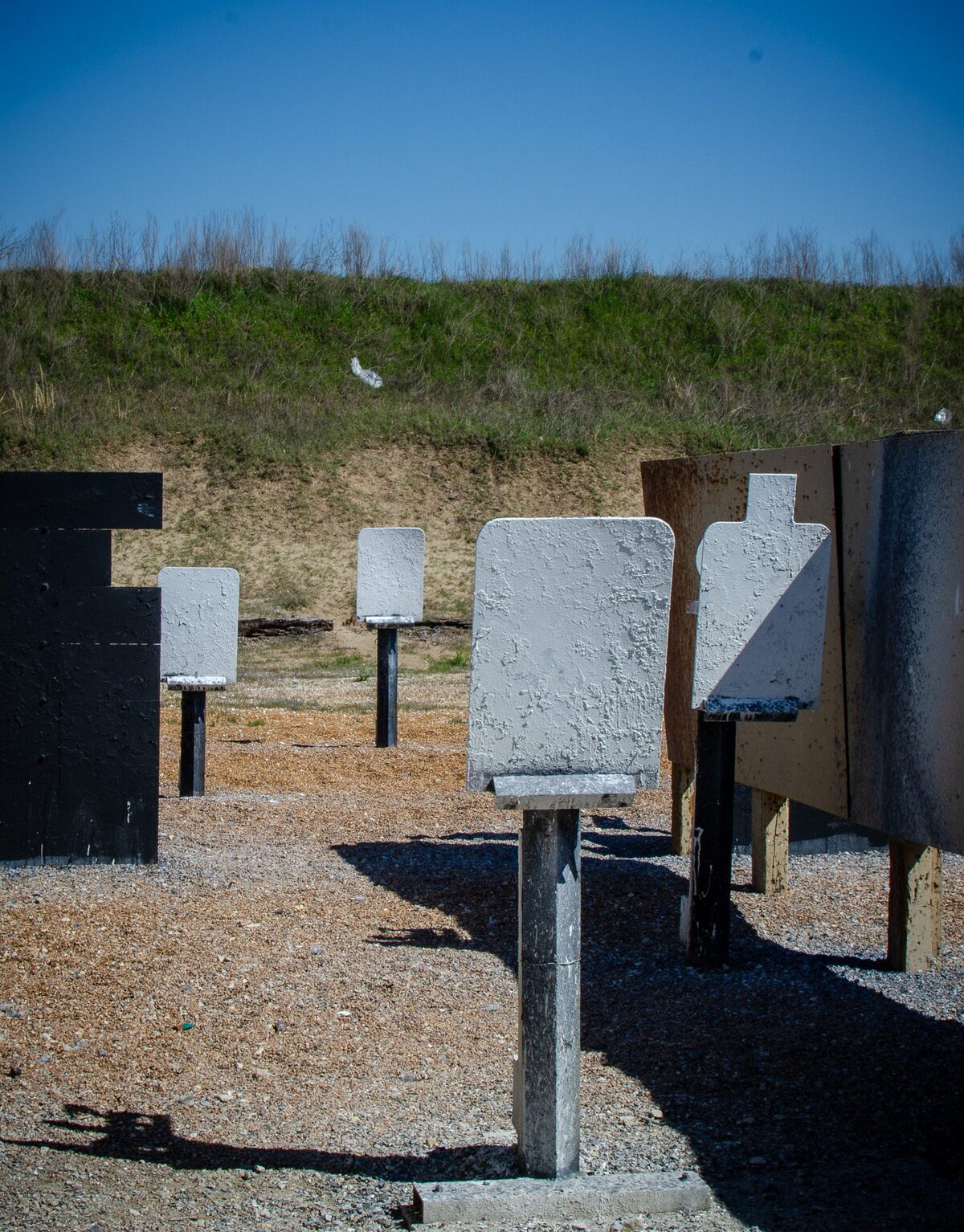
Range 1 — Rogers Range. 8-lane reactive target system at 7–20 yards. Eight lanes of computer-controlled pneumatic AR550 steel. Seven targets per lane, exposed for half a second to three-quarters of a second. Nine courses of fire push speed, accuracy, and target discrimination simultaneously. The steel is reactive by design — peripheral hits and fragments don't stop it. The shooter follows through until the target drops. M4 conversion kits in 9mm and shotgun courses available. One of the most requested training assets at T1G — shooters leave with measurable improvement in rapid, accurate, and discretionary firing.

Range 8 — SOF Skills Complex. 8-bay competition range, 7–25 meters. Built for the combat shooter. Multiple bays present different target arrays that allow two shooters to compete head-to-head for speed and accuracy — building aggression and confidence under pressure. Static and reactive steel targetry across every bay. Pistol at shorter distances, M4 carbine at range. Individual, team, or competitive format.

Rogers Range targetry Range 8 aerial
Range 4 — Hogan's Alley300-yard 270° · 220,000 sq ft · 100 shooters

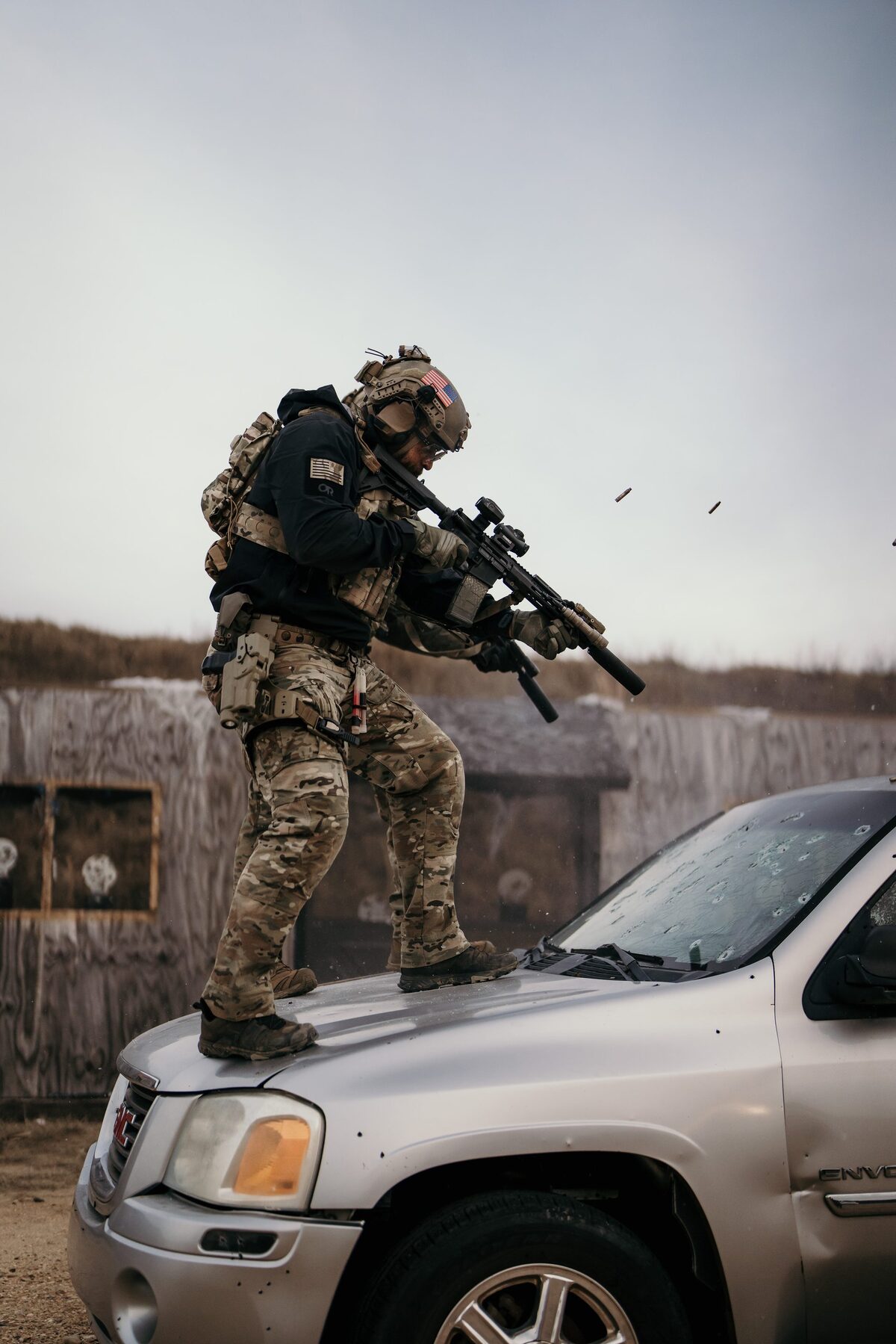
100 shooters simultaneously. Mounted or dismounted. Live-fire or Simunitions. Supports all practical fire and training scenarios. Hogan's Alley is where units validate SOPs and Immediate Action Drills under compressed decision-making — 270° engagement arcs, moving and static vehicles, moveable building facades, and worst-case scenarios. The adjacent 5-story tower and CS/CS Trainer are deconflicted for simultaneous elevated engagements.

Two vehicle access points · Configurable static and reactive steel target arrays · Moveable building facades · 360° "off the X" scenarios with Simunitions · Mounted and dismounted fire and maneuver · Pistol, shotgun, machine gun, and rifle up to .50 caliber · Non-fragmentation practice projectiles supported · Round-robin format for large group rotations

220,000 sq ft100 simultaneous shooters
270° EngagementCompressed decision-making
2 Vehicle AccessMounted & dismounted fire
All WeaponsPistol through .50 cal
Hogan's Alley aerial Vehicle contact drill
Towers, HLZ & Elevated Training Multiplex5-story tower · 325–385 yard elevated firing

Everything adjacent. Everything deconflicted.

The proximity of T1G's towers to Ranges 3 and 4, the shoot houses, and the MOUT complex creates training combinations that most facilities cannot replicate. The 5-story tower provides vertical closed structure training. Both towers offer multipurpose tactical design adjacent to the Confined Space/Collapsed Structure Trainer. A large helicopter landing zone supports all.

Hook and climb, high-angle rescue/recovery, high-line transfer, rappel, and ascension systems — primary, secondary, and tertiary anchor points support the full range of technical rescue profiles. The towers' offset positions serve as 325-yard and 350-yard elevated firing points for Range 4. With T1G prequalification, units conduct simultaneous sniper-initiated assault, pre-selected target reduction, and overwatch sniper support profiles on the shoot houses in the Urban Combat Compound — 385-yard shot.

5-Story TowerVertical CQB & Closed Structure
325–385 ydElevated Firing · 3 Target Areas
HLZRotary Wing · Infil/Exfil
CS/CS TrainerConfined Space · Adjacent
Sniper-Initiated AssaultSimultaneous Shoot House Profiles
Full Rescue SuiteRappel · High-Angle · High-Line · Ascension
Towers and HLZ Rappelling
1,000m Known Distance Rifle Range11 teams per relay · Manual pit marking

Carriage-type "pits" support precise data collection and confirmation.

Zero, collect, and confirm data from 100m to 1,000m. Raised firing points graduate in 100-meter increments. Firing points and pits support up to 11 two-man teams (shooter and observer) per relay for day and night precision courses of fire. Range pits use conventional target carriages for manual shot marking with 1", 3", and 5" spotters — the precision feedback that electronic systems approximate but don't replace. Variable-duration target exposures develop speed-to-first-round and precision under time pressure when run manually by pit crews. Carbines and rifles from 5.56mm through .338 Lapua/Norma Magnum platforms.

1,000mFiring points every 100m
11 Teams per RelayShooter-observer pairs
Manual Pit Marking1", 3", and 5" spotters
Target ExposureVariable Duration · Manual Pit Crews
5.56mm – .338 LapuaCarbine through magnum
Day & NightPrecision courses of fire
Known Distance Range
1,000m Unknown Distance Rifle Range11 firing lines · No known reference points

No known reference points. Operational shooting conditions.

Target arrays are configurable to client-specified parameters for multi-team day/night unknown distance courses of fire and team competitions. Eleven firing lines across multiple elevations and terrain types force shooters to range targets without reference points — the skill that separates range proficiency from operational precision. Range supports up to 11 two-man teams per relay. Varied static reactive steel targetry and vehicle hulks support ground-level and elevated applications.

1,000mNo known reference points
Day & NightMulti-team competition format
11 Firing LinesMultiple elevations & terrain
Vehicle HulksStatic targets on request
Configurable ArraysClient-specified targets
Teams11 Two-Man · Per Relay
Unknown Distance Range operators
Off-Site Target PackagesRotating inventory · Residential · Commercial · Industrial

Fresh targets. Real-world complexity. Always rotating.

T1G maintains a rotating inventory of deconflicted satellite venues — residential, commercial, educational, multi-family, and industrial environments that provide the scenario variety onsite facilities alone cannot replicate. Venues change. That's the point. Your team trains on targets they haven't rehearsed, in structures they haven't mapped, against problems they haven't solved before.

T1G handles all logistics, targeting coordination, vehicle support, and process documentation for off-site operations. Backside support extends to every satellite venue the same way it operates on the 777-acre complex.

Current target packages are available by request only. Inventory, availability, and access change frequently. Your T1G Project Manager confirms what's available for your training window and builds the off-site package into your overall event plan.

Off-site commercial venue Off-site residential venue
Facility Lease

Your Team. Our Infrastructure.

Full facility lease details →

T1G Memphis is available by the day, week, or mission-length to units that bring their own instructors and training plans.

Configure your footprint from a single flat range to the full 777-acre complex — shoot houses, MOUT, driving tracks, breaching facilities, and unrestricted Class G airspace. Everything on one property, operational 24/7, with zero noise or fire restrictions. T1G's backside support staff handles what eats your training time everywhere else. Targets reset while your team moves to the next lane. A vehicle breaks down — replaced in minutes. Breach points reconstructed between iterations. Draw weapons and walk to your first range. The result: 33% more time on the trigger than a government installation.

Often clients add T1G-led modules for a hybrid event. Your cadre runs the core curriculum. T1G instructors plug in where your team needs capability you don't carry organically — medical, breaching, or driving. One event. One PO. One set of travel orders.

24/7 Complex777 Acres · Zero Restrictions
Backside SupportReset · Staging · Transitions
Life Support90+ Beds · D-Fac · Armory
Secret FacilityNISP · DCSA Authorized
T1G Memphis aerial — 777 acres

Backside Infrastructure

Classroom

Classrooms & Armory

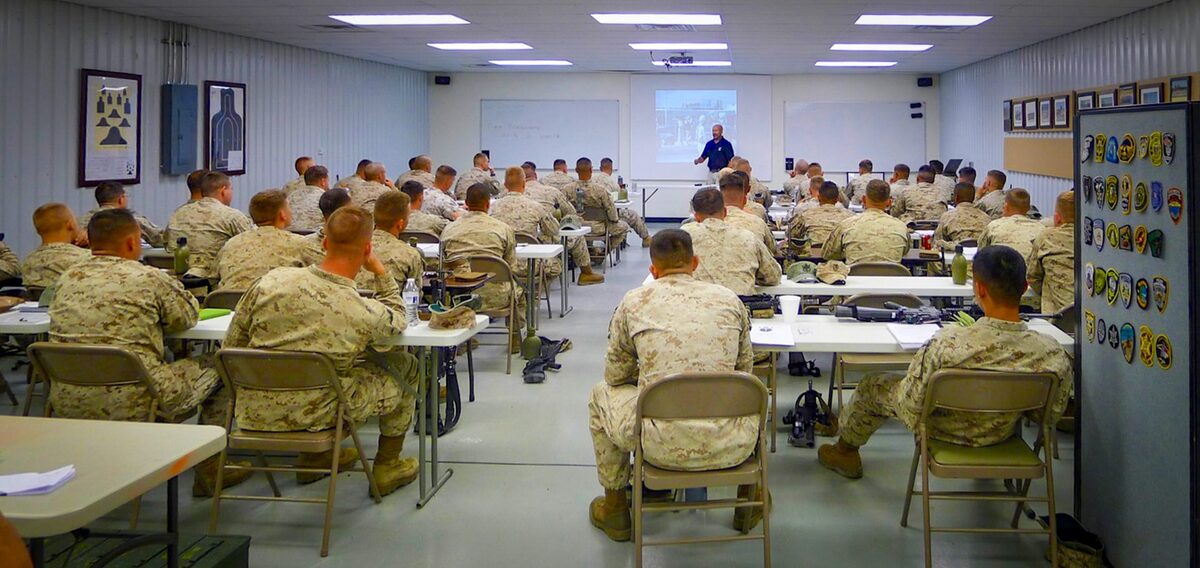
11 climate-controlled classrooms — projector, A/V, computer link, and Wi-Fi in every room. Each seats 18–24 (one seats 50). Less than an 8-minute walk from any training area. 9 armories — DoD 5100.76-M compliant, BATF approved. Receiving Authority licensed. MilStrip and direct shipping accepted.

Lodging

Lodging & Dining

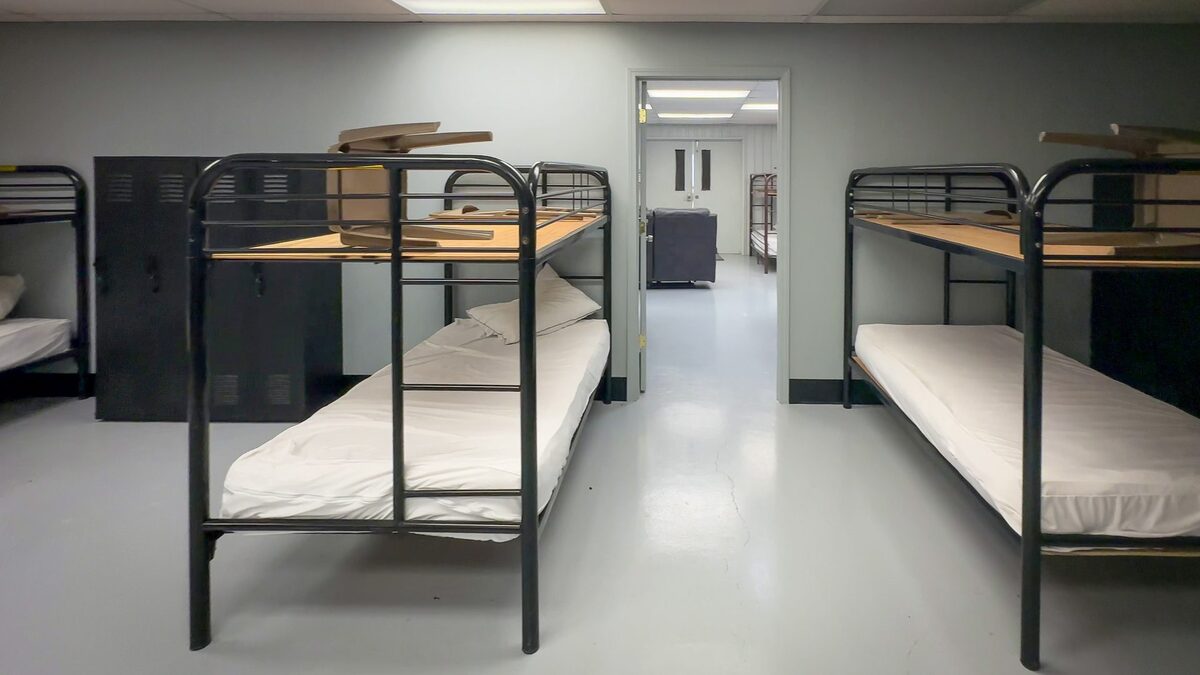
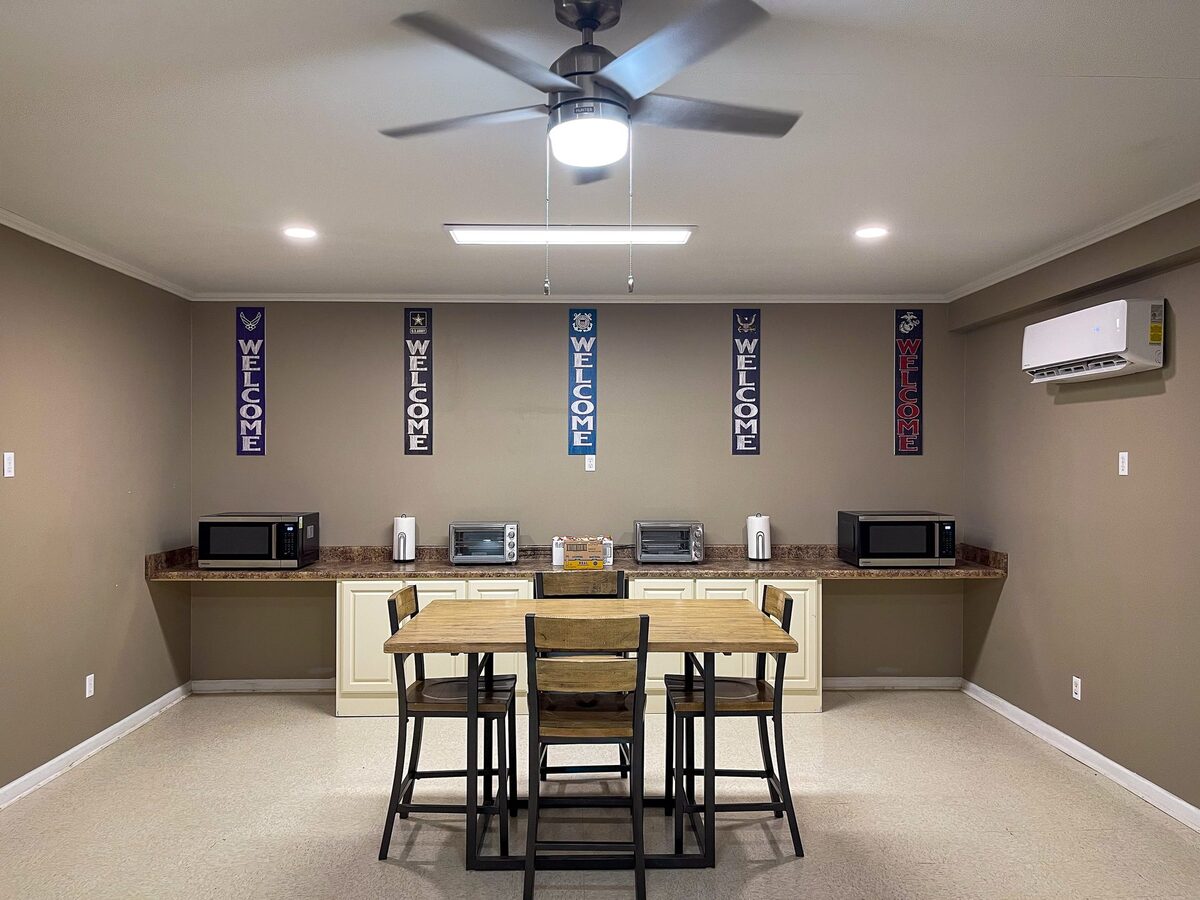
6 buildings · 90+ beds. Male and female facilities with 24/7 shower, laundry, and bathroom access. Private rooms for SNCOICs/OICs. Four 700 sq ft team rooms with satellite TV and Wi-Fi. Full-service dining facility seats 60+. Hot breakfast, lunch, and dinner. Significant savings over per diem — one line item instead of hotel receipts.

Gym

After Hours

Full fitness center — free weights, machines, cardio. Open 24/7. Matted dojo for combatives and PT. Two outdoor common areas with barbecue pits, fire pits, and covered seating. Kitchen and game room. SIMS House available after hours for informal walkthroughs and dry runs.

Armory Lodging interior Kitchen Beer garden / common area
TIER 1 GROUP

When you're ready to train, reach out.

We'll build it around your mission, your timeline, and your budget.

Keeping Names Off The Wall

Cage Code 4MMC6  ·  UEI LW5BG8KKU8B5  ·  Secret Facility Clearance  ·  2026-v1